[Skip to content](https://www.t-mobile.com/dialed-in/devices/best-fitness-watches#maincontent)

Hey, looks like you need help finding something. I am here to chat if you have any questions
Skip to main content Skip to footer
[Wireless](https://www.t-mobile.com/)
[Business](https://www.t-mobile.com/business)
[Prepaid](https://prepaid.t-mobile.com/home)
[Internet](https://www.t-mobile.com/home-internet)
[](https://www.t-mobile.com)
Log in
[Plans](https://www.t-mobile.com/cell-phone-plans)
[Unlimited Phone Plans](https://www.t-mobile.com/cell-phone-plans)[Unlimited Age 55+](https://www.t-mobile.com/cell-phone-plans/unlimited-55-senior-discount-plans)[Military & Veterans](https://www.t-mobile.com/cell-phone-plans/military-discount-plans)[First Responder](https://www.t-mobile.com/cell-phone-plans/first-responder-discounts)[College Students](https://www.t-mobile.com/cell-phone-plans/student-discounts)[5G Home Internet Plans](https://www.t-mobile.com/home-internet/plans)[Fiber Internet Plans](https://www.t-mobile.com/home-internet/fiber)[Watch & Tablet Plans](https://www.t-mobile.com/cell-phone-plans/affordable-data-plans)[Prepaid Phone Plans](https://prepaid.t-mobile.com/prepaid-plans)[Business Phone Plans](https://www.t-mobile.com/business/wireless-business-plans)
[Phones & devices](https://www.t-mobile.com/cell-phones)
[Cell phones](https://www.t-mobile.com/cell-phones)[5G phones](https://www.t-mobile.com/5g/phones)[Tablets](https://www.t-mobile.com/tablets)[Smartwatches](https://www.t-mobile.com/smart-watches)[Hotspots & more](https://www.t-mobile.com/hotspots-iot-connected-devices)[Accessories](https://www.t-mobile.com/accessories)[Bring your own device](https://www.t-mobile.com/resources/bring-your-own-phone)[Tech Gift Ideas](https://www.t-mobile.com/devices/tech-gifts)
[Deals](https://www.t-mobile.com/offers)
[See all deals](https://www.t-mobile.com/offers)[Apple](https://www.t-mobile.com/offers/apple-iphone-deals)[Samsung](https://www.t-mobile.com/offers/samsung-phone-deals)[Motorola](https://www.t-mobile.com/offers/motorola-phone-deals)[Google](https://www.t-mobile.com/offers/google-phone-deals)[Revvl](https://www.t-mobile.com/offers/t-mobile-revvl-phone-deals)[Free & Zero Down Phones](https://www.t-mobile.com/switch/free-cell-phone-with-plan)
[Coverage](https://www.t-mobile.com/coverage/network)
[Our network](https://www.t-mobile.com/coverage/network)[4G & 5G Coverage map](https://www.t-mobile.com/coverage/coverage-map)[What is 5G](https://www.t-mobile.com/5g)[Satellite Phone Service](https://www.t-mobile.com/coverage/satellite-phone-service)[Rural & Small Towns](https://www.t-mobile.com/coverage/small-towns-rural-areas)[Try our network](https://www.t-mobile.com/offers/free-trial)[5G news](https://www.t-mobile.com/news/category/network)[Home Internet](https://www.t-mobile.com/home-internet/eligibility)
[Join Us](https://www.t-mobile.com/resources/how-to-join-us)
[How to switch](https://www.t-mobile.com/resources/how-to-join-us)[Bring your own phone](https://www.t-mobile.com/resources/bring-your-own-phone)[Keep your number](https://www.t-mobile.com/resources/keep-your-number)[Keep & switch](https://www.t-mobile.com/switch/keep-phone-switch-from-verizon-or-att)[Benefits](https://www.t-mobile.com/benefits)[Find your reason](https://www.t-mobile.com/membership)[T-Mobile Tuesdays](https://www.t-mobile.com/offers/t-mobile-tuesdays)
[Contact & support](https://www.t-mobile.com/contact-us)
[](https://www.t-mobile.com)[1-800-T-MOBILE](tel:1-800-866-2453)[Check order status](https://www.t-mobile.com/orders/check-order)[Help & support](https://www.t-mobile.com/support)[](https://www.t-mobile.com)
[Cart](https://www.t-mobile.com/cart)
Search
- POPULAR
[Search](javascript:void%280%29)
My account
more from T-Mobile
- [Wireless](https://www.t-mobile.com/)
- [Business](https://www.t-mobile.com/business)
- [Prepaid](https://prepaid.t-mobile.com/home)
- [Internet](https://www.t-mobile.com/home-internet)
Legal
- [Privacy Policy](https://www.t-mobile.com/privacy-center/our-practices/privacy-policy)
- [Do Not Sell My Personal Information](javascript:void%280%29)
- [Privacy Center](https://www.t-mobile.com/privacy-center)
[Log in](https://www.t-mobile.com)
[Bill pay](https://www.t-mobile.com/signin?state=eyJpbnRlbnQiOiJQYXltZW50IiwiYm9va21hcmtVcmwiOiJodHRwczovL215LnQtbW9iaWxlLmNvbS9vbmV0aW1lcGF5bWVudCJ9) [Add a line](https://www.t-mobile.com/commerce/device-intent) [Upgrade](https://www.t-mobile.com/purchase/shop) [Check order status](https://www.t-mobile.com/orders/check-order) [Ask the Community](https://www.t-mobile.com/community)
[Dialed In](https://www.t-mobile.com/dialed-in)
- [All Blogs](https://www.t-mobile.com/dialed-in/latest)
- [Devices](https://www.t-mobile.com/dialed-in/category/devices)
- [Accessories](https://www.t-mobile.com/dialed-in/category/accessories)
- [Tips & Tricks](https://www.t-mobile.com/dialed-in/category/tips-tricks)
- [Wireless 101](https://www.t-mobile.com/dialed-in/category/wireless)
- [The Signal](https://www.t-mobile.com/home-internet/the-signal/)
- [Newsroom](https://www.t-mobile.com/news)
- [All Blogs](https://www.t-mobile.com/dialed-in/latest)
- [Devices](https://www.t-mobile.com/dialed-in/category/devices)
- [Accessories](https://www.t-mobile.com/dialed-in/category/accessories)
- [Tips & Tricks](https://www.t-mobile.com/dialed-in/category/tips-tricks)
- [Wireless 101](https://www.t-mobile.com/dialed-in/category/wireless)
- [The Signal](https://www.t-mobile.com/home-internet/the-signal/)
- [Newsroom](https://www.t-mobile.com/news)
1. [Dialed In](https://www.t-mobile.com/dialed-in)
2. Category:[Devices](https://www.t-mobile.com/dialed-in/category/devices)
[DevicesCategory](https://www.t-mobile.com/dialed-in/category/devices)
# Our 7 Picks for Top Fitness Trackers and Watches for 2026
Published: November 25, 2025
|19 min read
We’ll explore feature-packed smartwatches for every budget, personality and lifestyle.
#### Jump to a Section^
1. [Simplified buyer’s guide](https://www.t-mobile.com#guide)
2. [Best fitness watch for athletes & water sports lovers](https://www.t-mobile.com#athletes)
3. [Best fitness watch for staying on-the-go](https://www.t-mobile.com#go)
4. [Best fitness tracker for seniors](https://www.t-mobile.com#seniors)
5. [Best fitness watch and tracker for kids](https://www.t-mobile.com#kids)
6. [Buying guide: Fitness trackers](https://www.t-mobile.com#6)
7. [Fitness tracker FAQs](https://www.t-mobile.com#7)
- Share "Our 7 Picks for Top Fitness Trackers and Watches for 2026 " on X
- Share "Our 7 Picks for Top Fitness Trackers and Watches for 2026 " on Facebook
- Share "Our 7 Picks for Top Fitness Trackers and Watches for 2026 " on LinkedIn
\*This comparison guide was created by T-Mobile to help you explore smartwatches sold in our store. The opinions expressed here reflect our editorial perspective based on publicly available features, specifications, and articles.
\*Product pricing and availability are subject to change. Visit our [website](https://www.t-mobile.com/smart-watches) for the latest offers on phones, devices, and accessories.
Whether you’re an elite athlete, an active [senior](https://www.t-mobile.com/dialed-in/devices/best-cell-phones-for-seniors), a busy parent, or just always on-the-go, you want a gadget that helps you reach your goals *and* keeps you connected, all in one little wearable package. We've narrowed down our six favorite fitness smartwatches—from basic to all-out-bells-and-whistles—so you can find one that works for you. Let’s go!
## __Simplified buyer’s guide__
WatchBest ForWhy It’s BestStandout Features
Apple Watch Ultra 3Serious Athletes & Water Sports Enthusiasts (iPhone users)Built rugged for extreme conditions - from triathlons to deep dives - while offering advanced performance tracking, health tools, and safety features.• 100m water resistance
• Precision dual-frequency GPS
• Depth, Tides & Oceanic+ apps
• S10 chip
• 3000-nit Always-On Retina display
• Sleep apnea & advanced vitals tracking
• Fall/Crash Detection, Emergency SOS, Siren
• Up to 42-hour battery
Galaxy Watch UltraElite Athletes/Fitness-Focused (Android Users)Premium performance smartwatch powered by Galaxy AI insights for elite fitness, recovery, and wellness tracking.• Body composition (BIA)
• Galaxy AI Energy Score
• Rotating bezel
• Sleep coaching & apnea detection
• Up to 48-hour battery
• IP68 water/dust resistance
Apple Watch Series 11Everyday Fitness and Wellness (iPhone users)Ideal for fitness enthusiasts who want Apple’s best health and activity features in a sleek, durable design - without the rugged extras of Ultra.• 2000-nit Always-On Retina display
• Heart rate, ECG, SpO₂, and temperature tracking
• Sleep apnea monitoring
• Cycle & ovulation tracking
• Fall/Crash Detection
• Emergency SOS
• 50m water resistance
• Up to 24-hour battery
Pixel Watch 4On-the-Go Wellness & Smart AI Coaching (Android users)Sleek, smart, and powered by Google AI - perfect for tracking performance, recovery, and everyday health with personalized insights.• Actua 360 display
• Fitbit Readiness & Cardio Load
• ECG, SpO₂, HRV, stress, skin temp tracking
• Dual-frequency GPS
• Gemini Assistant
• 50+ exercise modes
• Safety Check, SOS
• Up to 40-hour battery
Apple Watch SE 3Seniors & Budget-Conscious (iPhone users)Affordable, reliable, and simple – great for seniors who want health tracking, safety alerts, and seamless family connectivity.• Always-On Retina display
• Heart rate, steps & sleep score tracking
• Sleep apnea notifications
• Fall/Crash Detection
• Emergency SOS
• Medications app
• Family Setup
• 50m water resistance
• Up to 18-hour battery
Galaxy Watch8Seniors & Everyday Wellness (Android users)Lightweight and user-friendly with essential health and safety tools - ideal for seniors and daily wellness monitoring.• Fall Detection & Emergency SOS
• Medication reminders
• 3000-nit bright display
• Sleep coaching & stage tracking
• Heart rate & body composition
• Up to 30-hour battery
SyncUP KIDS Watch 2Young Kids & Peace of Mind for ParentsKeeps kids safe and active with real-time GPS tracking, calling, and fun rewards that encourage healthy habits.• Step goals + rewards
• Real-time GPS + boundary alerts
• Voice/video calling
• Emergency button
• IP68 water resistance
## __Best fitness watch for athletes & water sports lovers__
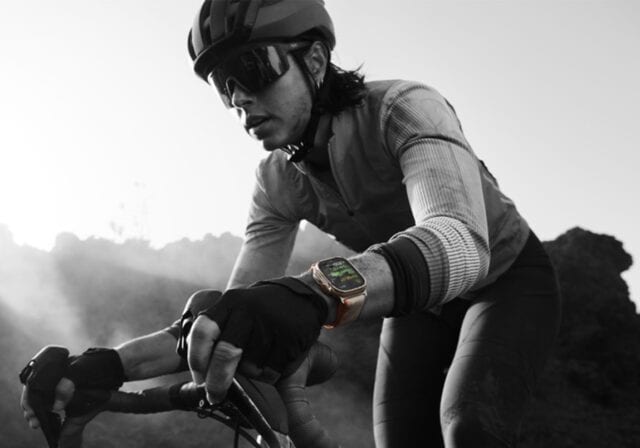
1. iPhone users: [__Apple Watch Ultra 3__](https://www.t-mobile.com/smart-watch/apple-watch-ultra-3)
Apple Watch Ultra 3 takes performance, durability, and adventure-readiness to the next level. Built for elite athletes, divers, and outdoor explorers, it combines Apple’s most advanced health, fitness, and safety technology with rugged design and extended battery life. Seamlessly connected to your iPhone and other Apple devices, it’s engineered for those who push limits, whether on land or in the water. Here’s why we think it’s one of the best workout watches for serious fitness buffs and [water sports enthusiasts](https://www.t-mobile.com/dialed-in/devices/water-resistant-phones):
- Largest, brightest Apple Watch display ever (LTPO3 wide-angle OLED, ultra-bright and viewable at extreme angles)
- Lightweight, corrosion-resistant titanium case designed to withstand the toughest environments
- Precision dual-frequency GPS for pinpoint tracking, even in challenging locations
- Depth app, Oceanic+ app for diving, and Tides app for real-time tide tracking
- 100m water resistance; safe for high-speed water sports and recreational scuba dives up to 40m
- Redesigned compass with elevation, incline, longitude/latitude, and 3D waypoint views
- Satellite connectivity for Emergency SOS, Find My, and Messages, even without cellular service (2 years free after watch activation)
- Advanced health tracking: hypertension notifications, heart rate, respiratory rate, wrist temperature, sleep score, and sleep apnea alerts
- ECG, irregular rhythm, high/low heart rate, and low cardio fitness notifications
- Women’s health tracking with temperature-based cycle and ovulation estimates
- Battery life: Up to 42 hours
2. Android users: [__Samsung Galaxy Watch Ultra__](https://www.t-mobile.com/smart-watch/samsung-galaxy-watch-ultra-47mm)
Infused with [Galaxy AI](https://www.t-mobile.com/dialed-in/devices/ai-devices-and-capabilities) and boasting a stunning titanium design, rock-hard sapphire crystal glass, a rotating bezel and the biggest viewing screen yet on a Galaxy Watch, Android users (especially Galaxy lovers) will appreciate the seamless connectivity across devices, the long-lasting battery, as well as an array of fitness-friendly features. Let’s take a closer look:
- Large, vivid display
- Sleep apnea detection
- Energy score with Galaxy AI (measures your body’s readiness for the day)
- Wellness tips
- Fitness tracking with personalized HR zones, heart monitoring, irregular heart rhythm notifications, monthly cycle tracking and more
- Body composition analysis (BIA)
- Fall detection
- Advanced sleep coaching
- IP68 water & dust resistance
- Battery: Up to 60 hours
### __Best fitness watch for staying on-the-go__
3. iPhone users: __Apple Watch Series 11 (__[__46mm__](https://www.t-mobile.com/smart-watch/apple-watch-series-11-46mm) __or__ [__42mm__](https://www.t-mobile.com/smart-watch/apple-watch-series-11-42mm)__)__
If you’re more into everyday fitness, wellness, and staying connected – without needing something as rugged as the Ultra line – the Apple Watch Series 11 may be your perfect fit. It blends Apple’s signature design with smarter health tools, longer battery life, and a beautiful new finish, making it an ideal smartwatch for fitness enthusiasts who want performance, comfort, and style. Here’s what makes it a standout: Here’s a breakdown:
- Always-on LTPO OLED Retina display with vibrant color and smooth Liquid Glass UI
- Sleek, rounded-square design with new Space Gray aluminum finish and durable Ion-X glass (2x more scratch resistant)
- Comprehensive activity and workout tracking with AI-powered Workout Buddy coaching
- ECG app, high/low heart rate, irregular rhythm, and low cardio fitness notifications
- New blood pressure alerts and return of SpO₂ (blood oxygen) monitoring
- Enhanced sleep tracking with Sleep Score and sleep apnea notifications
- Wrist temperature sensing, cycle and ovulation tracking in the Health app
- Safety features: Emergency SOS, international emergency calling, and fall/crash detection
- Water-resistant to 50m, ideal for swimming and everyday activity
- Battery life: Up to 18 hours
4. Android users: __Google Pixel Watch 4 (__[__45mm__](https://www.t-mobile.com/smart-watch/google-pixel-watch-4-45mm) __or__ [__41mm__](https://www.t-mobile.com/smart-watch/google-pixel-watch-4-41mm)__)__
Sleek, powerful, and built for performance, the Google Pixel Watch 4 is the ultimate fitness companion for Android users. Designed with athletes and wellness seekers in mind, it combines deep Fitbit-powered insights, AI-driven coaching, and durable design with Google’s smartest software yet. Whether you’re training, recovering, or just staying active, this watch helps you make every move count. Here’s what sets it apart:
- Stunning Actua 360 domed display – the largest, brightest Pixel Watch screen ever
- Morning Brief with personalized health metrics, sleep score, readiness score, and weather updates
- Readiness Score to balance exercise and recovery, powered by Fitbit and Google AI
- Cardio Load insights to fine-tune training intensity and avoid over- or under-training
- Precise heart rate tracking, skin temperature, stress signs, SpO₂, ECG, and HRV monitoring
- 50+ trackable exercises with Workout Builder for custom warmups, intervals, and pacing
- Real-time audio and haptic guidance during runs and workouts
- Dual-frequency GPS for highly accurate route tracking
- Built-in Gemini assistant for voice control, reminders, and custom playlists on the go
- Safety features: Emergency SOS, fall detection, and Safety Check with automatic location sharing
- Durable aerospace-grade aluminum case, scratch-resistant Gorilla® Glass, and water resistance up to 50m
- Battery life: Up to 40 hours
### __Best fitness tracker for seniors__
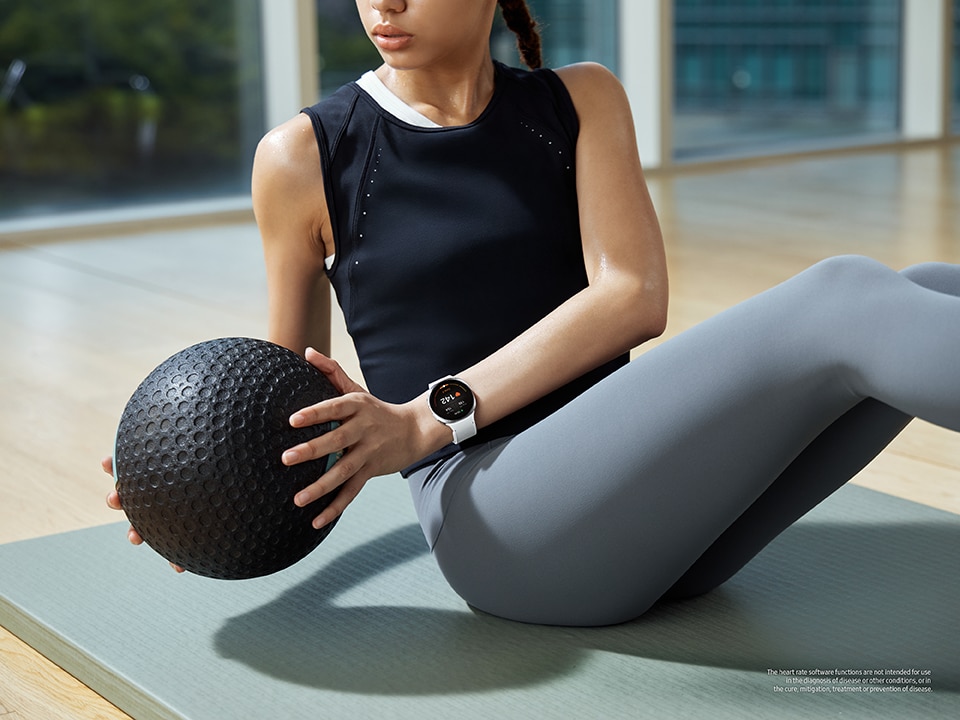
5. iPhone users: __Apple Watch SE 3 (__[__44mm__](https://www.t-mobile.com/smart-watch/apple-watch-se-3-44mm) __or__ [__40mm__](https://www.t-mobile.com/smart-watch/apple-watch-se-3-40mm)__)__
If you’re a [senior](https://www.t-mobile.com/cell-phone-plans/unlimited-55-senior-discount-plans) (or know one) who wants an entry-level, yet powerful watch for monitoring sleep, boosting health, and tracking activity levels, while also [staying safely connected](https://www.t-mobile.com/home-internet/the-signal/isp/low-cost-internet-for-seniors-guide-affordable-reliable-connectivity) to family, this smartwatch is a nice solution. It offers an array of impressive features for a great price, including:
- Always-On Retina display – large, bright, and easy to read without lifting your wrist
- Heart rate, steps, and activity tracking to encourage daily movement and fitness
- Sleep Score and sleep apnea notifications to promote better rest and overall wellness
- Wrist temperature sensing adds insights into changes in health over time
- Fall Detection, Crash Detection, and Emergency SOS for help in an emergency
- Medications app helps track prescriptions, vitamins, and reminders directly on the watch
- Family Setup lets seniors without iPhones stay safely connected – they can make calls, send messages, and share their location
- Durable Ion-X glass and lightweight aluminum case (available in midnight or starlight finishes)
- Water-resistant up to 50m – great for daily wear, walks, or swim sessions
- Battery life: Up to 18 hours
6. Android users: __Samsung Galaxy Watch8 ([44mm](https://www.t-mobile.com/smart-watch/samsung-galaxy-watch8-44mm) or [40mm](https://www.t-mobile.com/smart-watch/samsung-galaxy-watch8-40mm))__
Lightweight, simple to use, and packed with helpful health and safety features, this watch is ideal for Android lovers who want core wellness tracking, an easy-to-read screen, and emergency tools. It also offers senior-friendly features like:
- Heart rate monitoring, step counting, and advanced sleep stage tracking
- Fall detection and emergency SOS, with GPS location sharing
- Daily health reminders, including medications and hydration tracking
- Large, bright display (3000 nits) for visibility indoors or outside
- Medication reminders through the Samsung Health app
- Battery: Up to 30 hours of use in Always On Display (AOD) mode.
### __Best fitness watch and tracker for kids__
7. [__SyncUP KIDS Watch 2__](https://www.t-mobile.com/smart-watch/t-mobile-syncup-kids-watch-2)
Now you can stay connected with your younger kids and keep them entertained, while also encouraging an active lifestyle. The SyncUP KIDS Watch 2 has healthy-living tools and tracking capabilities built in, not to mention a long-lasting battery, water/dust IP68 rating, as well as a big 1.41" AMOLED display with Gorilla Glass 3 and built-in screen protector, making it a favorite with parents.
Kids will love the customizable characters and themes, the built-in microphone, speakers and Bluetooth capabilities, as well as the dual camera setup (5MP Selfie / 8MP World), perfect for taking selfies or capturing the world around them. Check out the features:
- Step counter that lets you set daily step goals, tasks, reminders and rewards for your kids
- Built-in games for fun and entertainment
- Voice and video calling, texts, and voice messages
- Real-time secure location tracking and virtual boundary alerts
- Unlimited number of parent-approved contacts, including emergency contacts
- Designated emergency call button—reach 911 or parent
- Kids' Line Privacy features1
- 2GB SDRAM / 32GB Storage
- Snapdragon Wear 5100 chipset for powerful performance
- Foldable charging dock, charging cable, nylon (blue) and silicon (black) watch bands (all included)
- International roaming 215+ countries (usage rates may apply)
Use the SyncUP KIDS Watch 2 with the [T Life app](https://www.t-mobile.com/apps) and experience a new level of connectivity with your kids.
## __Buying guide: Fitness trackers__
### __1. Battery life: How long do fitness tracker batteries last?__
Battery life varies significantly depending on device type, features, and usage. Some fitness bands (very basic trackers) last 10-20 days or more, while full smartwatches often require charging every 1-3 days, depending on use.
- GPS use (especially during outdoor activities) drains battery fastest.
- Continuous heart-rate monitoring, always-on display, lots of sensors = shorter life.
- Device type – analogue style or low-feature trackers may last many weeks or months (e.g., hybrid watches with simple tracking modes).
__Tip:__ If long battery life is a priority, look for trackers that emphasize endurance (e.g., “up to 10+ days”, or auxiliary modes). On the flip side, if you want rich features (GPS, advanced sensors, color display), be prepared to charge every day or two.
### __2. Price: How much does an activity tracker cost?__
In the premium segment, you’re paying for build quality, sensor suite, advanced features (water resistance, GPS, ruggedness), and more. For many users, a more basic tracker or mid-range tracker may suffice. Here are some typical price ranges:
- Lower end (basic trackers): ~$20 to $100 – simple step & sleep trackers, basic HR.
- Mid-range: ~$100 to $300 – more sensors (HR, SpO₂, perhaps GPS), better display.
- Premium: ~$300-700+ – full smartwatches with multisport tracking, rugged build, advanced health features.
__Tip:__ Set your budget based on how much you’ll use advanced features. If you’re mainly tracking steps, sleep and basic heart rate, a moderate cost tracker can serve you well.
### __3. Heart Rate: What is a dangerous heart rate during activity?__
It’s completely normal for your heart rate to rise when you’re active – that’s how your body delivers more oxygen to your muscles. But it helps to know what’s considered a typical range and when a number might be worth paying attention to. Everyone’s heart rate can respond a bit differently depending on age, fitness level, and overall health, so think of these numbers as general guidelines rather than strict rules:
- For most adults, a resting heart rate falls somewhere between 60 and 100 beats per minute (bpm).
- Maximum heart rate is often estimated by the formula 220 minus your age (though individual variation applies).
- Based on that number, your target heart rate zones usually range from about 50–70% of your max heart rate for moderate activity, and 70–85% for more vigorous exercise.
If during exercise you exhibit symptoms like dizziness, chest pain, or severe shortness of breath, this can indicate a serious condition – and only a professional can provide proper evaluation and treatment.
__Tip:__ Use your tracker’s HR data as a guide for intensity (e.g., staying within your target zone). If you consistently see heart rates well above your target zone, feel unwell, or have known heart conditions, stop exercising and consult a healthcare provider.
### __4. Sensors: What sensors does a fitness tracker have?__
Modern fitness trackers are packed with tiny components that measure motion, orientation, heart rate, and even things like altitude or oxygen levels. Each sensor plays a specific role, and together they paint a more complete picture of your activity and overall wellness.
- __Accelerometer__: Detects movement, steps, changes in velocity.
- __Gyroscope__: Measures orientation/rotation; helps distinguish different activities.
- __Heart-rate sensor (optical / ECG)__: Measures pulse or electrical heart activity.
- __GPS / GNSS__: Tracks your location, speed, and route during outdoor workouts.
- __Altimeter / Barometer__: Measures elevation gain/loss or atmospheric pressure (useful for hiking, climbing).
- __SpO₂ (blood oxygen) sensor__: Measures blood oxygen saturation – useful for sleep, altitude, respiratory monitoring.
- __Ambient light sensor / temperature / skin temperature, etc.__: Various supporting sensors for environment, UX or health insights.
__Tip:__ The richer the sensor suite, the more types of activities and health metrics the device can track Decide what you *really* need. If you only care about steps and sleep, you don’t need the full GNSS + altimeter + SpO₂ package.
### __5. Wearables : Is there a fitness tracker that looks like a bracelet?__
Yes – many fitness trackers are designed as low-profile wristbands (bracelet style) rather than full “watch” form-factors. The general category of fitness trackers includes bands, rings, clips etc. While they’re more discreet, lighter, often cheaper, they generally only offer very basic monitoring and simple activity tracking.
- A full watch gives a larger display, more features (apps, GPS, sensors) but consumes more battery and costs more.
- A band or bracelet may lack some advanced features (full GPS, large display, advanced workouts) but may suit users who just want basic activity + sleep tracking.
__Tip:__ If you like a smaller, minimalist design but still want reliable tracking and customization, [__Apple Watch SE 3__](https://www.t-mobile.com/smart-watch/apple-watch-se-3-44mm) is a great pick for iPhone users. It’s slim, lightweight, and easy to personalize with colorful or stylish bands. For Android fans, the __Samsung Galaxy Watch8__ has a bright, compact design with interchangeable bands that make it easy to match your look, from sporty to sleek. Both offer a smaller 40mm option vs. 44mm.
### __6. Speed: Do fitness trackers track speed?__
Yes – many modern fitness trackers can measure how fast you’re moving. The accuracy depends on the type of sensors your device uses and whether it includes built-in GPS.
- GPS / GNSS: Tracks your real-time movement and distance outdoors, giving precise speed and pace data for running, walking, or cycling.
- Accelerometer + algorithms: Estimates speed indoors or without GPS, using your steps, stride length, and movement patterns over time.
- Connected GPS (via phone): Some trackers use your phone’s GPS to record speed and route, which works well if you don’t mind carrying your phone.
For indoor workouts (like treadmill runs), non-GPS trackers calculate speed indirectly, accuracy can vary depending on stride and movement consistency.
__Tip:__ If you train for running or cycling and speed or pace really matters, choose a tracker with built-in GPS and a dedicated outdoor workout mode for the most reliable results.
### __7. Distance: How do trackers measure distance?__
Tracking how far you’ve gone is one of the most common features in a fitness tracker – but how it’s measured depends on the sensors your device uses.
- __GPS-enabled trackers:__ Use satellite data to record your exact path and calculate the total distance traveled. This method is the most accurate for outdoor activities like running, walking, or cycling.
- __Non-GPS trackers:__ Estimate distance using accelerometer data (step count) multiplied by your assumed stride length. It’s a good general estimate but can vary if your stride changes or if you switch between walking and running.
__Tip:__ For the most precise distance tracking – especially for outdoor runs, hikes, or bike rides – choose a device with built-in GPS. For everyday step counting and casual fitness, a step-based tracker will still give you a reliable overall picture of your activity.
### __8. Calories: Which activity tracker is most accurate for calories burned?__
Most fitness trackers can estimate how many calories you burn each day by combining data from motion and heart rate sensors. While some premium models tend to be more consistent than others, it’s important to remember that these numbers are estimates – helpful for spotting trends and comparing workout intensity, but not exact measurements.
__Tip:__ For more reliable calorie estimates, choose a tracker with both heart rate and motion sensors, and make sure it fits snugly on your wrist during activity. Use the calorie data as a helpful guide to track progress over time, rather than focusing on the specific number.
## __Fitness tracker FAQs__
__What features should I look for in a fitness tracker?__
When choosing a fitness tracker, consider what matters most for your lifestyle, budget, and goals. Decide which features are essential versus nice-to-have, since trackers range from simple step counters to full-featured smartwatches. Choose one with a reliable companion app, good battery life, and a comfortable fit for all-day wear.
__How often should I charge my fitness tracker?__
It depends on model and usage. With heavy use (GPS workouts, always-on screen) you may need to charge every days; simpler bands may go a week or more. Check manufacturer specs and real-use reviews.
__Can I swim with a fitness tracker?__
Only if it has a suitable water-resistance rating. Some may be only used for shallow-water activities like swimming in a pool or ocean, while others can be used for high-velocity water sports or scuba diving. If you prefer the latter, __Apple Watch Ultra 3__ has a water resistance rating of 100 meters and can be used for recreational scuba diving to 40 meters, as well as high-speed water sports.
__How accurate are fitness trackers for sleep tracking?__
They are reasonably good at detecting sleep vs awake, and estimating duration, but less reliable for detailed sleep stage accuracy compared to clinical sleep studies. Wearables are good for trends, not diagnostics.
__Can my fitness tracker replace a dedicated running watch?__
It comes down to what you want from the device. A dedicated running watch focuses on runs, often giving longer battery life since it doesn’t track sleep or other daily activity – but that limited focus can also be a drawback if you want broader health and lifestyle features. A smartwatch, on the other hand, handles running, sleep, heart rate, and everyday wellness, but battery life may be shorter because it’s doing more.
__When should I upgrade my fitness tracker?__
Consider upgrading when: battery life degrades significantly, sensors become outdated (you need new ones like SpO₂, body composition), the app/platform support is ending, or you have new training goals (outdoor GPS, multisport) that your current tracker doesn’t support.
[](https://www.t-mobile.com)
##### You may also be interested in:
- [Apple Watch Series 11: Features, Specs, Release Date, and Model Comparison](https://www.t-mobile.com/dialed-in/devices/apple-watch-series-11-features-specs-more)
- [Apple Watch Series 11 vs. Series 10: Key Differences, Specs, and Upgrade Guide](https://www.t-mobile.com/dialed-in/devices/apple-watch-series-11-vs-10-differences-comparison-upgrade-guide)
- [Smartwatch Deals & Offers](https://www.t-mobile.com/smart-watches)
- [Best Phones & Devices for Kids](https://www.t-mobile.com/dialed-in/devices/best-phones-for-kids)
- [Stay Connected with the Whole Family](https://www.t-mobile.com/devices/family-devices)
- [Black Friday Deals 2025](https://www.t-mobile.com/offers/black-friday-deals)
- [Cyber Monday Deals 2025](https://www.t-mobile.com/offers/cyber-monday-deals)
- [Holiday Gift Ideas 2025](https://www.t-mobile.com/devices/tech-gifts)
- [Looking to Up Your Fitness in the New Year? Tech Can Help, This Expert Says](https://www.t-mobile.com/news/devices/looking-to-up-your-fitness-in-the-new-year-tech-can-help-this-expert-says)
\*Product pricing and availability are subject to change. Visit our [website](https://www.t-mobile.com/cell-phones/brand/t-mobile) for the latest offers on phones, devices, and accessories.
\*This guide was developed by T-Mobile for informational purposes, based on publicly available data. It reflects an editorial perspective to assist readers in comparing smartphone features and specifications sold in our store.
Sources:
- [https://www.apple.com/newsroom/2025/09/introducing-apple-watch-ultra-3/](https://www.apple.com/newsroom/2025/09/introducing-apple-watch-ultra-3/#:~:text=Apple%20Watch%20Ultra%203%20offers,send%20SMS%20messages%20via%20satellite.)
- [https://www.apple.com/watch/compare](https://www.apple.com/watch/compare)
- [https://www.samsung.com/us/watches/compare](https://www.samsung.com/us/watches/compare)
- [https://store.google.com/magazine/google\_pixel\_watch\_compare](https://store.google.com/magazine/google_pixel_watch_compare)
- [https://www.t-mobile.com/smart-watch/t-mobile-syncup-kids-watch-2](https://www.t-mobile.com/smart-watch/t-mobile-syncup-kids-watch-2)
- [https://www.t-mobile.com/privacy-center/our-practices/childrens-privacy-notice#section2](https://www.t-mobile.com/privacy-center/our-practices/childrens-privacy-notice#section2)
- [https://questhealthlibrary.com/best-fitness-tracker-1-year-battery/](https://questhealthlibrary.com/best-fitness-tracker-1-year-battery/)
- [https://consumerserviceinfo.com/fitness-tracker-battery-life-comparison-from-daily-charging-to-30-day-beasts/](https://consumerserviceinfo.com/fitness-tracker-battery-life-comparison-from-daily-charging-to-30-day-beasts/)
- [https://androidcentral.com/wearables/best-smartwatches-for-battery-life](https://androidcentral.com/wearables/best-smartwatches-for-battery-life)
- [https://thebatterytips.com/battery-specifications/does-fitness-tracking-drain-battery/](https://thebatterytips.com/battery-specifications/does-fitness-tracking-drain-battery/)
- [https://wellnesspulse.com/research/accuracy-of-fitness-trackers](https://wellnesspulse.com/research/accuracy-of-fitness-trackers)
- [https://fitness-n-health.com/do-fitness-trackers-accurately-check-calories.html](https://fitness-n-health.com/do-fitness-trackers-accurately-check-calories.html)
- [https://blogs.sas.com/content/efs/2025/06/25/can-you-trust-your-smartwatch-a-deep-dive-into-calorie-burn-estimates](https://blogs.sas.com/content/efs/2025/06/25/can-you-trust-your-smartwatch-a-deep-dive-into-calorie-burn-estimates)
- [https://news.northwestern.edu/stories/2025/06/more-accurate-fitness-trackers-for-people-with-obesity](https://news.northwestern.edu/stories/2025/06/more-accurate-fitness-trackers-for-people-with-obesity)
- [https://med.stanford.edu/news/all-news/2017/05/fitness-trackers-accurately-measure-heart-rate-but-not-calories-burned.html](https://med.stanford.edu/news/all-news/2017/05/fitness-trackers-accurately-measure-heart-rate-but-not-calories-burned.html)
- [https://www.runnersworld.com/uk/gear/tech/a46645527/apple-watch-vs-garmin](https://www.runnersworld.com/uk/gear/tech/a46645527/apple-watch-vs-garmin)
- [https://www.yourswimlog.com/best-waterproof-fitness-trackers-reviews](https://www.yourswimlog.com/best-waterproof-fitness-trackers-reviews)
- [https://www.aim7.com/blog/smartwatch-wearable-technology-accuracy](https://www.aim7.com/blog/smartwatch-wearable-technology-accuracy)
- [https://www.iflscience.com/how-do-fitness-trackers-work-theyre-more-complex-than-you-may-think-68179](https://www.iflscience.com/how-do-fitness-trackers-work-theyre-more-complex-than-you-may-think-68179)
- [https://www.news-medical.net/health/Types-of-sensors-in-wearable-fitness-trackers.aspx](https://www.news-medical.net/health/Types-of-sensors-in-wearable-fitness-trackers.aspx)
- [https://www.amazon.com/s?k=smart+bracelet&i=electronics&crid=22TY1QPR7HJZO&sprefix=bracelet+%2Celectronics%2C136&ref=nb\_sb\_ss\_p13n-expert-pd-ops-ranker\_1\_9](https://www.amazon.com/s?k=smart%20bracelet&i=electronics&crid=22TY1QPR7HJZO&sprefix=bracelet%20%2Celectronics%2C136&ref=nb_sb_ss_p13n-expert-pd-ops-ranker_1_9)
- [https://www.medicinenet.com/what\_heart\_rate\_is\_too\_high/article.htm](https://www.medicinenet.com/what_heart_rate_is_too_high/article.htm)
Tags
- [Apple](https://www.t-mobile.com/dialed-in/archive/apple)
- [Best](https://www.t-mobile.com/dialed-in/archive/best)
- [Device Reviews](https://www.t-mobile.com/dialed-in/archive/device-reviews)
- [Fitness Accessories](https://www.t-mobile.com/dialed-in/archive/fitness-accessories)
- [Kids](https://www.t-mobile.com/dialed-in/archive/kids)
- [Samsung](https://www.t-mobile.com/dialed-in/archive/samsung)
- [Watches](https://www.t-mobile.com/dialed-in/archive/watches)
## Related Articles
NEW
[Read More](https://www.t-mobile.com/dialed-in/devices/compare-samsung-galaxy-flip-phones)
[](https://www.t-mobile.com/dialed-in/devices/compare-samsung-galaxy-flip-phones)
[Devices](https://www.t-mobile.com/dialed-in/category/devices)
## [Compare Samsung Galaxy Flip Phones](https://www.t-mobile.com/dialed-in/devices/compare-samsung-galaxy-flip-phones)
September 21, 2026
NEW
[Read More](https://www.t-mobile.com/dialed-in/devices/upgrade-your-iphone)
[](https://www.t-mobile.com/dialed-in/devices/upgrade-your-iphone)
[Devices](https://www.t-mobile.com/dialed-in/category/devices)
## [How and Why to Upgrade Your iPhone](https://www.t-mobile.com/dialed-in/devices/upgrade-your-iphone)
September 17, 2026
NEW
[Read More](https://www.t-mobile.com/dialed-in/devices/evolution-of-iphone)
[](https://www.t-mobile.com/dialed-in/devices/evolution-of-iphone)
[Devices](https://www.t-mobile.com/dialed-in/category/devices)
## [From the First iPhone to the iPhone 17 Series: The Timeline of Apple’s Pioneering Smartphone Series](https://www.t-mobile.com/dialed-in/devices/evolution-of-iphone)
September 17, 2026
### Get Connected with T-Mobile! Shop Now for your ideal phone.
[Shop now](https://www.t-mobile.com/cell-phones)
## Follow T-Mobile
- [](https://www.instagram.com/tmobile/)
- [](https://www.facebook.com/TMobile)
- [](https://twitter.com/TMobile)
- [](https://www.youtube.com/user/TMobile/custom)
[English](https://t-mobile.com)[Español](https://es.t-mobile.com)
Even more plans
Even more plans
- [Senior phone plans](https://www.t-mobile.com/cell-phone-plans/unlimited-55-senior-discount-plans)
- [International phone plans](https://www.t-mobile.com/cell-phone-plans/international-roaming-plans)
- [International passes](https://www.t-mobile.com/cell-phone-plans/international-roaming-plans/unlimited-calling-data-pass)
- [Home Internet plans](https://www.t-mobile.com/home-internet/plans)
- [Phone and internet bundles](https://www.t-mobile.com/cell-phone-plans/phone-home-internet-bundle)
- [Hotspot plans](https://www.t-mobile.com/cell-phone-plans/affordable-data-plans/hotspots)
- [Business phone plans](https://www.t-mobile.com/business/wireless-business-plans)
Shop devices by brand
Shop devices by brand
- [iPhones](https://www.t-mobile.com/cell-phones/brand/apple)
- [iPads](https://www.t-mobile.com/tablets/brand/apple)
- [Apple Watches](https://www.t-mobile.com/smart-watches/brand/apple)
- [Galaxy phones](https://www.t-mobile.com/cell-phones/brand/samsung)
- [Samsung tablets](https://www.t-mobile.com/tablets/brand/samsung)
- [Samsung watches](https://www.t-mobile.com/smart-watches/brand/samsung)
- [Motorola phones](https://www.t-mobile.com/cell-phones/brand/motorola)
- [Google Pixel phones](https://www.t-mobile.com/cell-phones/brand/google)
New featured cell phones
New featured cell phones
- [New Apple iPhone Duo](https://www.t-mobile.com/cell-phone/apple-iphone-duo)
- [New Apple iPhone 18 Pro](https://www.t-mobile.com/cell-phone/apple-iphone-18-pro)
- [New Apple iPhone 18 Pro Max](https://www.t-mobile.com/cell-phone/apple-iphone-18-pro-max)
- [New Apple iPhone Ultra](https://www.t-mobile.com/cell-phone/apple-iphone-ultra)
- [New Samsung Galaxy Z Fold8](https://www.t-mobile.com/cell-phone/samsung-galaxy-z-fold8)
- [New Google Pixel 11](https://www.t-mobile.com/cell-phone/google-pixel-11)
New featured tablets, smartwatches & more
New featured tablets, smartwatches & more
- [Apple iPad Mini (A17 Pro)](https://www.t-mobile.com/tablet/apple-ipad-mini-a17-pro)
- [Apple iPad (A16)](https://www.t-mobile.com/tablet/apple-ipad-a16)
- [Apple Watch SE 3 40mm](https://www.t-mobile.com/smart-watch/apple-watch-se-3-40mm)
- [T-Mobile Revvl Tab 2](https://www.t-mobile.com/tablet/t-mobile-revvl-tab-2)
- [Samsung Galaxy Tab A11+ 5G](https://www.t-mobile.com/tablet/samsung-galaxy-tab-a11-plus-5g)
- [Samsung Galaxy Watch Ultra2](https://www.t-mobile.com/smart-watch/samsung-galaxy-watch-ultra2)
Helpful consumer guides
Helpful consumer guides
- [Dialed In](https://www.t-mobile.com/dialed-in)
- [Cell Phone BYOD Guide](https://www.t-mobile.com/dialed-in/devices/what-is-byod-bring-your-own-device)
- [The 6 Best Samsung Phones of 2026](https://www.t-mobile.com/dialed-in/devices/best-samsung-phones)
- [iPhone 18 Series: Specs, Price and Release Dates](https://www.t-mobile.com/dialed-in/devices/iphone-18-series-specs-features)
- [How Does Satellite Phone Service Work?](https://www.t-mobile.com/dialed-in/wireless/how-satellite-phone-service-works)
T-Mobile customer benefits
T-Mobile customer benefits
- [TV streaming deals](https://www.t-mobile.com/tv-streaming)
- [T-Mobile Tuesdays](https://www.t-mobile.com/offers/t-mobile-tuesdays)
- [In-flight wi-fi](https://www.t-mobile.com/benefits/travel/in-flight-wifi)
- [Refer-a-Friend](https://referral.t-mobile.com/)
- [Device protection plan](https://www.t-mobile.com/benefits/phone-protection-plans)
- [Protection 360® HomeTech](https://www.t-mobile.com/benefits/phone-protection-plans/p360-home-tech)
Switch to T-Mobile
Switch to T-Mobile
- [How to switch to T-Mobile](https://www.t-mobile.com/resources/how-to-join-us)
- [Try our 5G network](https://www.t-mobile.com/offers/free-trial)
- [Bring your own device](https://www.t-mobile.com/resources/bring-your-own-phone)
- [Switch to T-Mobile from Verizon or AT&T](https://www.t-mobile.com/switch/keep-phone-switch-from-verizon-or-att)
- [Family freedom deal](https://www.t-mobile.com/switch/pay-off-carrier-etf-phone-deal)
- [Cell phone trade-in](https://www.t-mobile.com/devices/phone-trade-in)
Additional support
Additional support
- [View return policy](https://www.t-mobile.com/responsibility/legal/return-policy)
- [Contact us](https://www.t-mobile.com/contact-us)
- [Billing](https://www.t-mobile.com/support/account/whats-impacting-your-bill)
- [Shipping & pickup options](https://www.t-mobile.com/customers/shipping-dates)
- [Free Internet for Students](https://www.t-mobile.com/brand/project-10-million)
- [Redeem a rebate](https://promotions.t-mobile.com/)
- [Domestic Violence Resources](https://www.t-mobile.com/support/account/keeping-customers-safe-connected)
About T-Mobile
About T-Mobile
- [Our Story](https://www.t-mobile.com/our-story)
- [T-Mobile careers](https://careers.t-mobile.com/)
- [Privacy Center](https://www.t-mobile.com/privacy-center)
- [Newsroom](https://www.t-mobile.com/news)
- [Corporate Responsibility](https://www.t-mobile.com/responsibility)
[](https://www.t-mobile.com)
- [About](https://www.t-mobile.com/our-story)
- [Investor relations](https://investor.t-mobile.com/default.aspx)
- [Press](https://www.t-mobile.com/news)
- [Careers](https://careers.t-mobile.com)
- [Deutsche Telekom](https://www.telekom.com/en)
- [Puerto Rico](https://www.t-mobilepr.com/)
- [Privacy Notice](https://www.t-mobile.com/privacy-center/privacy-notices/t-mobile-privacy-notice)
- [Trust Center](https://security.t-mobile.com/)
- [Privacy Center](https://www.t-mobile.com/privacy-center)
- [Consumer information](https://www.t-mobile.com/responsibility/consumer-info)
- [Public safety/911](https://www.t-mobile.com/responsibility/consumer-info/safety/9-1-1)
- [Terms & conditions](https://www.t-mobile.com/responsibility/legal/terms-and-conditions)
- [Terms of use](https://www.t-mobile.com/responsibility/consumer-info/policies/terms-of-use)
- [Accessibility](https://www.t-mobile.com/responsibility/consumer-info/accessibility-policy)
- [Open Internet](https://www.t-mobile.com/responsibility/consumer-info/policies/internet-service)
- [Do Not Sell or Share My Personal Information](javascript:void%280%29)
- [Licenses & Patents](https://www.t-mobile.com/responsibility/legal/licenses-and-patents)
- [Consumer Health Data Privacy Notice](https://www.t-mobile.com/privacy-center/privacy-notices/t-mobile-privacy-notice.html#health-data-privacy-notice)
- [T-Mobile, the T logo, Magenta and the magenta color are registered trademarks of Deutsche Telekom AG.](https://www.t-mobile.com)
- [](https://www.instagram.com/tmobile/)
- [](https://www.facebook.com/TMobile)
- [](https://twitter.com/TMobile)
- [](https://www.youtube.com/user/TMobile/custom)
© 2026 T‑Mobile USA, Inc.
Top