[Skip to content](https://www.t-mobile.com/dialed-in/devices/iphone-17e-specs-price-upgrade-guide#maincontent)

Hey, looks like you need help finding something. I am here to chat if you have any questions
Skip to main content Skip to footer
[Wireless](https://www.t-mobile.com/)
[Business](https://www.t-mobile.com/business)
[Prepaid](https://prepaid.t-mobile.com/home)
[Internet](https://www.t-mobile.com/home-internet)
[](https://www.t-mobile.com)
Log in
[Plans](https://www.t-mobile.com/cell-phone-plans)
[Unlimited Phone Plans](https://www.t-mobile.com/cell-phone-plans)[Unlimited Age 55+](https://www.t-mobile.com/cell-phone-plans/unlimited-55-senior-discount-plans)[Military & Veterans](https://www.t-mobile.com/cell-phone-plans/military-discount-plans)[First Responder](https://www.t-mobile.com/cell-phone-plans/first-responder-discounts)[College Students](https://www.t-mobile.com/cell-phone-plans/student-discounts)[5G Home Internet Plans](https://www.t-mobile.com/home-internet/plans)[Fiber Internet Plans](https://www.t-mobile.com/home-internet/fiber)[Watch & Tablet Plans](https://www.t-mobile.com/cell-phone-plans/affordable-data-plans)[Prepaid Phone Plans](https://prepaid.t-mobile.com/prepaid-plans)[Business Phone Plans](https://www.t-mobile.com/business/wireless-business-plans)
[Phones & devices](https://www.t-mobile.com/cell-phones)
[Cell phones](https://www.t-mobile.com/cell-phones)[5G phones](https://www.t-mobile.com/5g/phones)[Tablets](https://www.t-mobile.com/tablets)[Smartwatches](https://www.t-mobile.com/smart-watches)[Hotspots & more](https://www.t-mobile.com/hotspots-iot-connected-devices)[Accessories](https://www.t-mobile.com/accessories)[Bring your own device](https://www.t-mobile.com/resources/bring-your-own-phone)[Tech Gift Ideas](https://www.t-mobile.com/devices/tech-gifts)
[Deals](https://www.t-mobile.com/offers)
[See all deals](https://www.t-mobile.com/offers)[Apple](https://www.t-mobile.com/offers/apple-iphone-deals)[Samsung](https://www.t-mobile.com/offers/samsung-phone-deals)[Motorola](https://www.t-mobile.com/offers/motorola-phone-deals)[Google](https://www.t-mobile.com/offers/google-phone-deals)[Revvl](https://www.t-mobile.com/offers/t-mobile-revvl-phone-deals)[Free & Zero Down Phones](https://www.t-mobile.com/switch/free-cell-phone-with-plan)
[Coverage](https://www.t-mobile.com/coverage/network)
[Our network](https://www.t-mobile.com/coverage/network)[4G & 5G Coverage map](https://www.t-mobile.com/coverage/coverage-map)[What is 5G](https://www.t-mobile.com/5g)[Satellite Phone Service](https://www.t-mobile.com/coverage/satellite-phone-service)[Rural & Small Towns](https://www.t-mobile.com/coverage/small-towns-rural-areas)[Try our network](https://www.t-mobile.com/offers/free-trial)[5G news](https://www.t-mobile.com/news/category/network)[Home Internet](https://www.t-mobile.com/home-internet/eligibility)
[Join Us](https://www.t-mobile.com/resources/how-to-join-us)
[How to switch](https://www.t-mobile.com/resources/how-to-join-us)[Bring your own phone](https://www.t-mobile.com/resources/bring-your-own-phone)[Keep your number](https://www.t-mobile.com/resources/keep-your-number)[Keep & switch](https://www.t-mobile.com/switch/keep-phone-switch-from-verizon-or-att)[Benefits](https://www.t-mobile.com/benefits)[Find your reason](https://www.t-mobile.com/membership)[T-Mobile Tuesdays](https://www.t-mobile.com/offers/t-mobile-tuesdays)
[Contact & support](https://www.t-mobile.com/contact-us)
[](https://www.t-mobile.com)[1-800-T-MOBILE](tel:1-800-866-2453)[Check order status](https://www.t-mobile.com/orders/check-order)[Help & support](https://www.t-mobile.com/support)[](https://www.t-mobile.com)
[Cart](https://www.t-mobile.com/cart)
Search
- POPULAR
[Search](javascript:void%280%29)
My account
more from T-Mobile
- [Wireless](https://www.t-mobile.com/)
- [Business](https://www.t-mobile.com/business)
- [Prepaid](https://prepaid.t-mobile.com/home)
- [Internet](https://www.t-mobile.com/home-internet)
Legal
- [Privacy Policy](https://www.t-mobile.com/privacy-center/our-practices/privacy-policy)
- [Do Not Sell My Personal Information](javascript:void%280%29)
- [Privacy Center](https://www.t-mobile.com/privacy-center)
[Log in](https://www.t-mobile.com)
[Bill pay](https://www.t-mobile.com/signin?state=eyJpbnRlbnQiOiJQYXltZW50IiwiYm9va21hcmtVcmwiOiJodHRwczovL215LnQtbW9iaWxlLmNvbS9vbmV0aW1lcGF5bWVudCJ9) [Add a line](https://www.t-mobile.com/commerce/device-intent) [Upgrade](https://www.t-mobile.com/purchase/shop) [Check order status](https://www.t-mobile.com/orders/check-order) [Ask the Community](https://www.t-mobile.com/community)
[Dialed In](https://www.t-mobile.com/dialed-in)
- [All Blogs](https://www.t-mobile.com/dialed-in/latest)
- [Devices](https://www.t-mobile.com/dialed-in/category/devices)
- [Accessories](https://www.t-mobile.com/dialed-in/category/accessories)
- [Tips & Tricks](https://www.t-mobile.com/dialed-in/category/tips-tricks)
- [Wireless 101](https://www.t-mobile.com/dialed-in/category/wireless)
- [The Signal](https://www.t-mobile.com/home-internet/the-signal/)
- [Newsroom](https://www.t-mobile.com/news)
- [All Blogs](https://www.t-mobile.com/dialed-in/latest)
- [Devices](https://www.t-mobile.com/dialed-in/category/devices)
- [Accessories](https://www.t-mobile.com/dialed-in/category/accessories)
- [Tips & Tricks](https://www.t-mobile.com/dialed-in/category/tips-tricks)
- [Wireless 101](https://www.t-mobile.com/dialed-in/category/wireless)
- [The Signal](https://www.t-mobile.com/home-internet/the-signal/)
- [Newsroom](https://www.t-mobile.com/news)
1. [Dialed In](https://www.t-mobile.com/dialed-in)
2. Category:[Devices](https://www.t-mobile.com/dialed-in/category/devices)
[DevicesCategory](https://www.t-mobile.com/dialed-in/category/devices)
# Apple iPhone 17e: Price, Specs, and How It Compares
Published: March 17, 2026
|13 min read
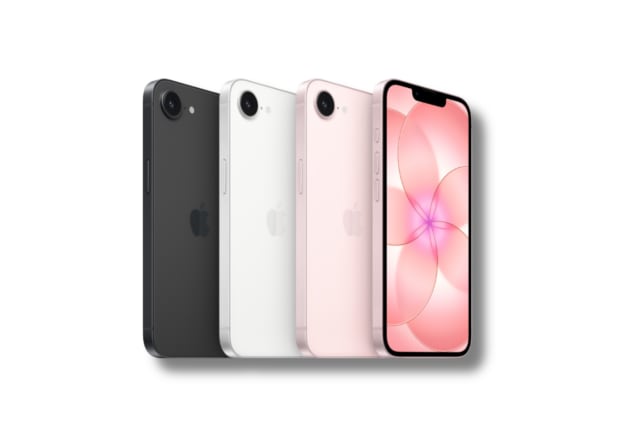
The [iPhone 17e](https://www.t-mobile.com/cell-phone/apple-iphone-17e) is here. Priced from $599 for 256GB, it slots in as the most affordable member of the [iPhone 17 family](https://www.t-mobile.com/dialed-in/devices/iphone-17-series) while retaining many flagship-level capabilities that matter day to day, from the A19 chip to a 48MP main camera and MagSafe/Qi2 wireless charging.
- Share "Apple iPhone 17e: Price, Specs, and How It Compares" on X
- Share "Apple iPhone 17e: Price, Specs, and How It Compares" on Facebook
- Share "Apple iPhone 17e: Price, Specs, and How It Compares" on LinkedIn
In this article, we break down the iPhone 17e specs, compare iPhone 17e vs iPhone 16e vs iPhone 17, and deliver clear buying advice so you can decide whether to upgrade now.
*\*This guide was created by T-Mobile to help you explore Apple phones in our store. The opinions expressed here reflect our editorial perspective based on publicly available features, specifications, and articles.*
[SHOP iPhone 17e](https://www.t-mobile.com/cell-phone/apple-iphone-17e)
## Key takeaways for the Apple iPhone 17e
- The iPhone 17e will be starting at $599 for 256GB with a 512GB option available.
- Choose iPhone 17e for the best value with A19 performance, 256GB base storage, MagSafe/Qi2, and Apple Intelligence at $599; consider iPhone 16e only if you can forgo those upgrades, and step up to iPhone 17 if you want Dynamic Island, a stronger GPU, and better cameras.
- iPhone 17e pairs the A19 chip (quad-core GPU, 16-core Neural Engine) with a 6.1-inch OLED notch display, a 48MP rear camera with 2x sensor crop, 256/512GB storage, Ceramic Shield 2, IP68, C1X 5G, Apple Intelligence support, MagSafe/Qi2 15W wireless charging, USB-C fast charging, and up to 26 hours of video playback.
## Key iPhone 17e highlights at a glance
If you’re looking for what’s new at $599, these are the headline improvements over older entry models like the iPhone 16e and why this device hits the value sweet spot.
- A19 performance with a quad‑core GPU and 16‑core Neural Engine for Apple Intelligence features.
- Doubled base storage: 256GB (up from 128GB on iPhone 16e) with a 512GB option.
- 48MP main camera with optical‑quality 2x sensor crop; sharper everyday photos and 4K video.
- MagSafe and Qi2 wireless charging up to 15W, plus USB‑C fast charging.
- Ceramic Shield 2 front glass and IP68 water/dust resistance for tougher, longer‑lasting hardware.
- 6.1‑inch OLED display with classic notch, aluminum frame, and a new soft pink color option.
- Battery life claims up to 26 hours of video playback; efficiency gains from A19 and the C1X 5G modem.
- Ready for iOS 26 Apple Intelligence features now and in future updates.
## iPhone 17e specs
| Category | Details |
|---------------------|--------------------------------------------------------------------------------------------------------|
| Chipset | A19 with quad‑core GPU and 16‑core Neural Engine (Apple Intelligence support) |
| Display | 6.1‑inch Super Retina XDR OLED; notch‑based TrueDepth/Face ID |
| Storage options | 256GB (base), 512GB (optional) |
| Colors | Black, White, Soft Pink |
| Rear camera | 48MP main (Quad‑Pixel); 2x optical‑quality sensor crop; Night mode; Smart HDR; 4K Dolby Vision video |
| Front camera | 12MP TrueDepth selfie camera with Portrait and Night modes |
| Battery (claims) | Up to 26 hours video playback; up to 90 hours audio playback |
| Charging (wired) | USB‑C fast charging; approx. 50% in about 30 minutes with compatible adapter |
| Charging (wireless) | MagSafe and Qi2 up to 15W; Qi compatible at lower rates |
| Durability | Ceramic Shield 2 front glass; aluminum frame; IP68 water/dust resistance |
| Connectivity | Apple C1X 5G modem; 5G Sub‑6 and mmWave (market dependent); Wi‑Fi; Bluetooth; NFC for Apple Pay; USB‑C |
| Security/Controls | Face ID via TrueDepth; Action button; Emergency SOS via satellite (market dependent) |
## iPhone 17e pricing
For context, the core iPhone 17 lineup debuted in September 2025, led by [iPhone 17](https://www.t-mobile.com/cell-phone/apple-iphone-17), [17 Pro](https://www.t-mobile.com/business/cell-phone/apple-iphone-17-pro), and [17 Pro Max](https://www.t-mobile.com/cell-phone/apple-iphone-17-pro-max), with [iPhone Air](https://www.t-mobile.com/cell-phone/apple-iphone-air) filling a lighter, mid‑tier role. The [iPhone 17e](https://www.t-mobile.com/cell-phone/apple-iphone-17e) extends the family downward on price, sitting below iPhone 17 and well under the Pro models while still offering Apple Intelligence and MagSafe.
Apple positions iPhone 17e as a lower-cost entry to the iPhone 17 family. The base model starts at $599 for 256GB, with a 512GB step‑up available. Carrier promos and [trade‑ins](https://www.t-mobile.com/devices/phone-trade-in) can drop the out‑of‑pocket price substantially.
## iPhone 17e design, display and durability
The iPhone 17e keeps a familiar, comfortable 6.1‑inch form factor with a notched Super Retina XDR OLED at 60Hz. If you’re coming from an older device, the pocketability and one‑hand feel are instantly recognizable.
An aluminum frame and Ceramic Shield 2 front glass improve resilience against everyday scuffs and drops, while IP68 water and dust resistance means accidental splashes or a quick rain dash aren’t cause for panic. In real life, that translates to fewer micro‑scratches and better clarity thanks to improved anti‑reflective properties.
Against iPhone 17 and the Pro models, you give up Dynamic Island and higher‑refresh ProMotion displays. Brightness and smoothness are very good for the price, but content and games won’t look as fluid as on 120Hz panels. Color choices include black, white, and a new soft pink, each with a matte finish that’s grippy without a case.
## Performance, A19 chip and Apple Intelligence features
At the heart of iPhone 17e is Apple’s A19 chip, a clear step up from the A18 in iPhone 16e. The CPU and quad-core GPU keep everyday tasks feeling quick—apps open without hesitation, multitasking stays smooth, and animations feel fluid. Behind the scenes, a 16-core Neural Engine handles on-device Apple Intelligence features, which helps keep personal data private while speeding up AI-powered tools.
So how does that translate to real-world use? For most people, it means dependable performance across social apps, photo editing, video streaming, Apple Arcade, and mid-core gaming. If you’re wondering whether iPhone 17e is fast enough for gaming, the answer is yes for casual and moderately demanding titles. Only graphics-intensive AAA games running at the highest settings are likely to highlight its limits.
Compared with the standard iPhone 17, the main difference comes down to graphics headroom. The iPhone 17 includes an extra GPU core, giving it a bit more flexibility in sustained, high-performance gaming sessions. If you regularly play competitive or console-style mobile games, that additional core may offer smoother frame rates over time. Otherwise, the day-to-day experience feels very similar.
The A19 chip also powers Apple Intelligence features in iOS 26. That includes tools like Visual Intelligence for understanding on-screen context, smarter photo editing features such as Clean Up, enhanced Call Screening, and system-wide writing assistance. Because these processes run locally on the device, responses feel fast and your information stays on your phone rather than being routed to external servers.
## Camera and photo features on the iPhone 17e
The iPhone 17e centers its photography experience around a single 48MP Fusion camera. By combining pixels, it typically produces detailed 24MP images by default—balancing clarity and manageable file sizes. The built-in 2x sensor-crop mode delivers optical-quality zoom without a separate telephoto lens, which works especially well for portraits, pets, and travel shots when you want a little closer framing.
Portrait photography feels more flexible this year. The camera can automatically detect depth information for people, dogs, and cats—even if you didn’t switch into Portrait mode before taking the shot. That makes it easier to capture the moment first and fine-tune the background blur later. Smart HDR helps balance bright skies and shadows, while Night mode improves low-light scenes with clearer detail and more natural color.
If you’re wondering whether the iPhone 17e is good for night photos, the answer is yes for most everyday situations—dim restaurants, evening city walks, or indoor gatherings. That said, models with multiple rear cameras offer more versatility in very dark environments or when switching between focal lengths frequently.
For video, the 17e records up to 4K with Dolby Vision, giving clips a richer, more cinematic look. Built-in stabilization helps reduce shake when filming handheld, whether you’re recording a quick social video or capturing memories on the go.
On the front, you’ll find a 12MP TrueDepth camera for selfies and video calls. It delivers sharp results for everyday use, though the standard iPhone 17 includes upgraded front-camera hardware and additional features. You also won’t find extras tied to Dynamic Island framing or a dedicated Camera Control button here—the 17e keeps things streamlined, focusing on core photography and video performance without added hardware controls.
## Battery life, charging, MagSafe and Qi2
Apple’s estimates put iPhone 17e at up to 26 hours of video playback or up to 90 hours of audio—enough for a full day plus, even with mixed use. Efficiency gains from the A19 and the C1X 5G modem help stretch standby and streaming time.
For recharging, USB‑C fast charging can reach roughly 50% in about 30 minutes with a compatible adapter. The big quality‑of‑life jump is wireless: [MagSafe](https://www.t-mobile.com/dialed-in/accessories/what-is-magsafe) and Qi2 support up to 15W, a meaningful upgrade from iPhone 16e’s 7.5W Qi. Beyond speed, MagSafe unlocks a huge accessory ecosystem—chargers, car mounts, stands, wallets—that snap on securely.
[Pro tip](https://www.t-mobile.com/dialed-in/tips-tricks/ios-phone-tips): enable Optimized Battery Charging in iOS 26 and use Low Power Mode on travel days to keep the phone going longer. See our MagSafe accessory guide if you’re building your first kit.
## iPhone 17e vs iPhone 16e vs iPhone 17: which should you choose?
Here’s how the three models stack up on price, storage, performance, display, cameras, and special features. Use this as a shortcut to narrow your shortlist.
| Feature | iPhone 17e | iPhone 16e | iPhone 17 |
|-----------------------|--------------------------------------------|------------------------------------|-------------------------------------------------------------------|
| Starting price (US) | $599 | Lower than 17e (varies by channel) | Higher than 17e (varies by storage) |
| Base storage | 256GB | 128GB | 128GB or 256GB (market dependent) |
| Chip | A19 (quad‑core GPU; 16‑core Neural Engine) | A18 (entry‑tier GPU/NE) | A19 (with an extra GPU core vs 17e) |
| Display | 6.1" OLED, 60Hz, notch | 6.1" OLED, 60Hz, notch | 6.1" OLED, Dynamic Island; higher brightness; smoother animations |
| Rear cameras | 48MP main; 2x sensor crop | Lower‑resolution main camera | Dual cameras; higher flexibility and quality across ranges |
| Front camera | 12MP TrueDepth | 12MP TrueDepth (earlier gen) | Upgraded TrueDepth with improved features |
| Charging | USB‑C; MagSafe/Qi2 up to 15W | USB‑C; Qi up to 7.5W (no MagSafe) | USB‑C; MagSafe up to 15W |
| Durability | Ceramic Shield 2; IP68 | Ceramic Shield (prior gen); IP68 | Ceramic Shield 2; IP68 |
| Intelligence features | Apple Intelligence supported | Limited vs 17e (chip‑dependent) | Apple Intelligence fully supported |
| Other features | Face ID; Action button; C1X 5G modem | Face ID; earlier modem | Face ID; Action button; better GPU; Dynamic Island |
Pick iPhone 17e if you want the best value: modern A19 performance, Apple Intelligence, 256GB base storage, MagSafe/Qi2, and a 48MP camera for $599. Stick with [iPhone 16e](https://www.t-mobile.com/cell-phone/apple-iphone-16e) only if you’re on a tight budget and can live without MagSafe, Apple Intelligence upgrades, and the 48MP sensor. Step up to iPhone 17 if you care about Dynamic Island, a stronger GPU for gaming, and better camera flexibility and quality.
## Who is the iPhone 17e best for?
If you see yourself in the list below, the iPhone 17e is likely a strong match. These scenarios capture the sweet‑spot buyers for Apple’s value‑focused 17‑series model.
- Budget‑conscious buyers who still want new‑generation performance, Apple Intelligence, and MagSafe.
- Upgraders from iPhone 11/12 (or older) who will feel huge leaps in camera quality, battery life, and speed.
- Casual gamers and social creators who don’t need Pro‑level multi‑camera flexibility.
- Users in areas with patchy coverage who value Emergency SOS via satellite as a safety net (where offered).
- Shoppers who prioritize durability and storage over bleeding‑edge display tech like Dynamic Island or 120Hz.
- Parents buying a first iPhone for teens who need longevity, safety features, and strong battery life.
## Should you upgrade? iPhone 17e buying advice
Use this quick checklist to decide: match your budget and priorities to the right model, then compare carrier offers.
1. Set a budget ceiling and desired storage (256GB vs 512GB).
2. Decide on display priorities: fine with a notch/60Hz? If not, look at iPhone 17.
3. Assess camera needs: single 48MP with solid 2x vs multi‑camera flexibility on iPhone 17.
4. Confirm must‑have features: Apple Intelligence, MagSafe/Qi2, Emergency SOS via satellite.
5. Check trade‑in values and carrier deals to see real out‑of‑pocket costs.
6. Pick the earliest date you need a phone—if it’s soon, buy; if not urgent, monitor promos.
If you have iPhone 11/12, the 17e is a big upgrade across the board. From iPhone 13/14, weigh MagSafe/Qi2, Apple Intelligence, and the 48MP camera against your current phone’s condition and trade‑in value. From 15/16e, the jump is more nuanced—17e adds Apple Intelligence, base 256GB storage, and MagSafe/Qi2 (vs 16e), but display/camera leaps are bigger on iPhone 17. Coming from Android, 17e offers a smooth on‑ramp with long software support and robust accessories.
## Apple iPhone 17e FAQs
__When is the iPhone 17e release date and how much does it cost?__
Apple announced iPhone 17e on March 2, 2026, with preorders March 4 and release March 11. It starts at $599 for 256GB, with a 512GB option available.
__Is the iPhone 17e the cheapest new iPhone?__
Yes, it is the most affordable model in the iPhone 17 family at launch while still offering A19 performance, MagSafe/Qi2, and Apple Intelligence.
__What are the key iPhone 17e specs?__
A19 chip with quad‑core GPU and 16‑core Neural Engine, 6.1‑inch OLED notch display, 48MP rear camera with 2x sensor crop, 12MP selfie camera, Ceramic Shield 2, IP68, C1X 5G, MagSafe/Qi2 15W, USB‑C fast charging, and up to 26 hours of video playback.
__Should I buy iPhone 17e or iPhone 16e?__
Choose 17e for A19 performance, Apple Intelligence, 256GB base storage, and MagSafe/Qi2. Stick with 16e only if price is the top priority and you can skip those upgrades.
__Who should step up to the standard iPhone 17 instead of 17e?__
Buyers who want Dynamic Island, a stronger GPU for high‑end gaming, and better camera flexibility and quality should choose the iPhone 17.
__You may also be interested in:__
[iPhone 17e](https://www.t-mobile.com/cell-phone/apple-iphone-17e)
[T‑Mobile Pairs iPhone 17e and iPad Air with Plans that Bring Built-in Value from Day One](https://www.t-mobile.com/news/devices/iphone-17e-ipad-air)
[iPhone 17 Series: Everything You Need to Know](https://www.t-mobile.com/dialed-in/devices/iphone-17-series)
[iPhone 17 Series vs. iPhone 16 Series](https://www.t-mobile.com/dialed-in/devices/iphone-17-vs-iphone-16)
[33 iOS Tips to Improve Your iPhone Experience](https://www.t-mobile.com/dialed-in/tips-tricks/ios-phone-tips)
__Sources:__
- [https://www.apple.com/newsroom/2026/03/apple-introduces-iphone-17e/](https://www.apple.com/newsroom/2026/03/apple-introduces-iphone-17e/)
- [https://www.cnet.com/news-live/iphone-17e-launch/](https://www.cnet.com/news-live/iphone-17e-launch/)
Tags
- [Apple](https://www.t-mobile.com/dialed-in/archive/apple)
- [Device Reviews](https://www.t-mobile.com/dialed-in/archive/device-reviews)
## Related Articles
NEW
[Read More](https://www.t-mobile.com/dialed-in/devices/first-iphone)
[](https://www.t-mobile.com/dialed-in/devices/first-iphone)
[Devices](https://www.t-mobile.com/dialed-in/category/devices)
## [Apple’s First iPhone: How It Looked and What It Could Do](https://www.t-mobile.com/dialed-in/devices/first-iphone)
September 18, 2026
NEW
[Read More](https://www.t-mobile.com/dialed-in/devices/upgrade-your-iphone)
[](https://www.t-mobile.com/dialed-in/devices/upgrade-your-iphone)
[Devices](https://www.t-mobile.com/dialed-in/category/devices)
## [How and Why to Upgrade Your iPhone](https://www.t-mobile.com/dialed-in/devices/upgrade-your-iphone)
September 17, 2026
NEW
[Read More](https://www.t-mobile.com/dialed-in/devices/evolution-of-iphone)
[](https://www.t-mobile.com/dialed-in/devices/evolution-of-iphone)
[Devices](https://www.t-mobile.com/dialed-in/category/devices)
## [From the First iPhone to the iPhone 17 Series: The Timeline of Apple’s Pioneering Smartphone Series](https://www.t-mobile.com/dialed-in/devices/evolution-of-iphone)
September 17, 2026
### Get Connected with T-Mobile! Shop Now for your ideal phone.
[Shop now](https://www.t-mobile.com/cell-phones)
## Follow T-Mobile
- [](https://www.instagram.com/tmobile/)
- [](https://www.facebook.com/TMobile)
- [](https://twitter.com/TMobile)
- [](https://www.youtube.com/user/TMobile/custom)
[English](https://t-mobile.com)[Español](https://es.t-mobile.com)
Even more plans
Even more plans
- [Senior phone plans](https://www.t-mobile.com/cell-phone-plans/unlimited-55-senior-discount-plans)
- [International phone plans](https://www.t-mobile.com/cell-phone-plans/international-roaming-plans)
- [International passes](https://www.t-mobile.com/cell-phone-plans/international-roaming-plans/unlimited-calling-data-pass)
- [Home Internet plans](https://www.t-mobile.com/home-internet/plans)
- [Phone and internet bundles](https://www.t-mobile.com/cell-phone-plans/phone-home-internet-bundle)
- [Hotspot plans](https://www.t-mobile.com/cell-phone-plans/affordable-data-plans/hotspots)
- [Business phone plans](https://www.t-mobile.com/business/wireless-business-plans)
Shop devices by brand
Shop devices by brand
- [iPhones](https://www.t-mobile.com/cell-phones/brand/apple)
- [iPads](https://www.t-mobile.com/tablets/brand/apple)
- [Apple Watches](https://www.t-mobile.com/smart-watches/brand/apple)
- [Galaxy phones](https://www.t-mobile.com/cell-phones/brand/samsung)
- [Samsung tablets](https://www.t-mobile.com/tablets/brand/samsung)
- [Samsung watches](https://www.t-mobile.com/smart-watches/brand/samsung)
- [Motorola phones](https://www.t-mobile.com/cell-phones/brand/motorola)
- [Google Pixel phones](https://www.t-mobile.com/cell-phones/brand/google)
New featured cell phones
New featured cell phones
- [New Apple iPhone Duo](https://www.t-mobile.com/cell-phone/apple-iphone-duo)
- [New Apple iPhone 18 Pro](https://www.t-mobile.com/cell-phone/apple-iphone-18-pro)
- [New Apple iPhone 18 Pro Max](https://www.t-mobile.com/cell-phone/apple-iphone-18-pro-max)
- [New Apple iPhone Ultra](https://www.t-mobile.com/cell-phone/apple-iphone-ultra)
- [New Samsung Galaxy Z Fold8](https://www.t-mobile.com/cell-phone/samsung-galaxy-z-fold8)
- [New Google Pixel 11](https://www.t-mobile.com/cell-phone/google-pixel-11)
New featured tablets, smartwatches & more
New featured tablets, smartwatches & more
- [Apple iPad Mini (A17 Pro)](https://www.t-mobile.com/tablet/apple-ipad-mini-a17-pro)
- [Apple iPad (A16)](https://www.t-mobile.com/tablet/apple-ipad-a16)
- [Apple Watch SE 3 40mm](https://www.t-mobile.com/smart-watch/apple-watch-se-3-40mm)
- [T-Mobile Revvl Tab 2](https://www.t-mobile.com/tablet/t-mobile-revvl-tab-2)
- [Samsung Galaxy Tab A11+ 5G](https://www.t-mobile.com/tablet/samsung-galaxy-tab-a11-plus-5g)
- [Samsung Galaxy Watch Ultra2](https://www.t-mobile.com/smart-watch/samsung-galaxy-watch-ultra2)
Helpful consumer guides
Helpful consumer guides
- [Dialed In](https://www.t-mobile.com/dialed-in)
- [Cell Phone BYOD Guide](https://www.t-mobile.com/dialed-in/devices/what-is-byod-bring-your-own-device)
- [The 6 Best Samsung Phones of 2026](https://www.t-mobile.com/dialed-in/devices/best-samsung-phones)
- [iPhone 18 Series: Specs, Price and Release Dates](https://www.t-mobile.com/dialed-in/devices/iphone-18-series-specs-features)
- [How Does Satellite Phone Service Work?](https://www.t-mobile.com/dialed-in/wireless/how-satellite-phone-service-works)
T-Mobile customer benefits
T-Mobile customer benefits
- [TV streaming deals](https://www.t-mobile.com/tv-streaming)
- [T-Mobile Tuesdays](https://www.t-mobile.com/offers/t-mobile-tuesdays)
- [In-flight wi-fi](https://www.t-mobile.com/benefits/travel/in-flight-wifi)
- [Refer-a-Friend](https://referral.t-mobile.com/)
- [Device protection plan](https://www.t-mobile.com/benefits/phone-protection-plans)
- [Protection 360® HomeTech](https://www.t-mobile.com/benefits/phone-protection-plans/p360-home-tech)
Switch to T-Mobile
Switch to T-Mobile
- [How to switch to T-Mobile](https://www.t-mobile.com/resources/how-to-join-us)
- [Try our 5G network](https://www.t-mobile.com/offers/free-trial)
- [Bring your own device](https://www.t-mobile.com/resources/bring-your-own-phone)
- [Switch to T-Mobile from Verizon or AT&T](https://www.t-mobile.com/switch/keep-phone-switch-from-verizon-or-att)
- [Family freedom deal](https://www.t-mobile.com/switch/pay-off-carrier-etf-phone-deal)
- [Cell phone trade-in](https://www.t-mobile.com/devices/phone-trade-in)
Additional support
Additional support
- [View return policy](https://www.t-mobile.com/responsibility/legal/return-policy)
- [Contact us](https://www.t-mobile.com/contact-us)
- [Billing](https://www.t-mobile.com/support/account/whats-impacting-your-bill)
- [Shipping & pickup options](https://www.t-mobile.com/customers/shipping-dates)
- [Free Internet for Students](https://www.t-mobile.com/brand/project-10-million)
- [Redeem a rebate](https://promotions.t-mobile.com/)
- [Domestic Violence Resources](https://www.t-mobile.com/support/account/keeping-customers-safe-connected)
About T-Mobile
About T-Mobile
- [Our Story](https://www.t-mobile.com/our-story)
- [T-Mobile careers](https://careers.t-mobile.com/)
- [Privacy Center](https://www.t-mobile.com/privacy-center)
- [Newsroom](https://www.t-mobile.com/news)
- [Corporate Responsibility](https://www.t-mobile.com/responsibility)
[](https://www.t-mobile.com)
- [About](https://www.t-mobile.com/our-story)
- [Investor relations](https://investor.t-mobile.com/default.aspx)
- [Press](https://www.t-mobile.com/news)
- [Careers](https://careers.t-mobile.com)
- [Deutsche Telekom](https://www.telekom.com/en)
- [Puerto Rico](https://www.t-mobilepr.com/)
- [Privacy Notice](https://www.t-mobile.com/privacy-center/privacy-notices/t-mobile-privacy-notice)
- [Trust Center](https://security.t-mobile.com/)
- [Privacy Center](https://www.t-mobile.com/privacy-center)
- [Consumer information](https://www.t-mobile.com/responsibility/consumer-info)
- [Public safety/911](https://www.t-mobile.com/responsibility/consumer-info/safety/9-1-1)
- [Terms & conditions](https://www.t-mobile.com/responsibility/legal/terms-and-conditions)
- [Terms of use](https://www.t-mobile.com/responsibility/consumer-info/policies/terms-of-use)
- [Accessibility](https://www.t-mobile.com/responsibility/consumer-info/accessibility-policy)
- [Open Internet](https://www.t-mobile.com/responsibility/consumer-info/policies/internet-service)
- [Do Not Sell or Share My Personal Information](javascript:void%280%29)
- [Licenses & Patents](https://www.t-mobile.com/responsibility/legal/licenses-and-patents)
- [Consumer Health Data Privacy Notice](https://www.t-mobile.com/privacy-center/privacy-notices/t-mobile-privacy-notice.html#health-data-privacy-notice)
- [T-Mobile, the T logo, Magenta and the magenta color are registered trademarks of Deutsche Telekom AG.](https://www.t-mobile.com)
- [](https://www.instagram.com/tmobile/)
- [](https://www.facebook.com/TMobile)
- [](https://twitter.com/TMobile)
- [](https://www.youtube.com/user/TMobile/custom)
© 2026 T‑Mobile USA, Inc.
Top