[Skip to content](https://www.t-mobile.com/dialed-in/accessories/phone-charging-buying-guide-best-chargers#maincontent)

Hey, looks like you need help finding something. I am here to chat if you have any questions
Skip to main content Skip to footer
[Wireless](https://www.t-mobile.com/)
[Business](https://www.t-mobile.com/business)
[Prepaid](https://prepaid.t-mobile.com/home)
[Internet](https://www.t-mobile.com/home-internet)
[](https://www.t-mobile.com)
Log in
[Plans](https://www.t-mobile.com/cell-phone-plans)
[Unlimited Phone Plans](https://www.t-mobile.com/cell-phone-plans)[Unlimited Age 55+](https://www.t-mobile.com/cell-phone-plans/unlimited-55-senior-discount-plans)[Military & Veterans](https://www.t-mobile.com/cell-phone-plans/military-discount-plans)[First Responder](https://www.t-mobile.com/cell-phone-plans/first-responder-discounts)[College Students](https://www.t-mobile.com/cell-phone-plans/student-discounts)[5G Home Internet Plans](https://www.t-mobile.com/home-internet/plans)[Fiber Internet Plans](https://www.t-mobile.com/home-internet/fiber)[Watch & Tablet Plans](https://www.t-mobile.com/cell-phone-plans/affordable-data-plans)[Prepaid Phone Plans](https://prepaid.t-mobile.com/prepaid-plans)[Business Phone Plans](https://www.t-mobile.com/business/wireless-business-plans)
[Phones & devices](https://www.t-mobile.com/cell-phones)
[Cell phones](https://www.t-mobile.com/cell-phones)[5G phones](https://www.t-mobile.com/5g/phones)[Tablets](https://www.t-mobile.com/tablets)[Smartwatches](https://www.t-mobile.com/smart-watches)[Hotspots & more](https://www.t-mobile.com/hotspots-iot-connected-devices)[Accessories](https://www.t-mobile.com/accessories)[Bring your own device](https://www.t-mobile.com/resources/bring-your-own-phone)[Tech Gift Ideas](https://www.t-mobile.com/devices/tech-gifts)
[Deals](https://www.t-mobile.com/offers)
[See all deals](https://www.t-mobile.com/offers)[Apple](https://www.t-mobile.com/offers/apple-iphone-deals)[Samsung](https://www.t-mobile.com/offers/samsung-phone-deals)[Motorola](https://www.t-mobile.com/offers/motorola-phone-deals)[Google](https://www.t-mobile.com/offers/google-phone-deals)[Revvl](https://www.t-mobile.com/offers/t-mobile-revvl-phone-deals)[Free & Zero Down Phones](https://www.t-mobile.com/switch/free-cell-phone-with-plan)
[Coverage](https://www.t-mobile.com/coverage/network)
[Our network](https://www.t-mobile.com/coverage/network)[4G & 5G Coverage map](https://www.t-mobile.com/coverage/coverage-map)[What is 5G](https://www.t-mobile.com/5g)[Satellite Phone Service](https://www.t-mobile.com/coverage/satellite-phone-service)[Rural & Small Towns](https://www.t-mobile.com/coverage/small-towns-rural-areas)[Try our network](https://www.t-mobile.com/offers/free-trial)[5G news](https://www.t-mobile.com/news/category/network)[Home Internet](https://www.t-mobile.com/home-internet/eligibility)
[Join Us](https://www.t-mobile.com/resources/how-to-join-us)
[How to switch](https://www.t-mobile.com/resources/how-to-join-us)[Bring your own phone](https://www.t-mobile.com/resources/bring-your-own-phone)[Keep your number](https://www.t-mobile.com/resources/keep-your-number)[Keep & switch](https://www.t-mobile.com/switch/keep-phone-switch-from-verizon-or-att)[Benefits](https://www.t-mobile.com/benefits)[Find your reason](https://www.t-mobile.com/membership)[T-Mobile Tuesdays](https://www.t-mobile.com/offers/t-mobile-tuesdays)
[Contact & support](https://www.t-mobile.com/contact-us)
[](https://www.t-mobile.com)[1-800-T-MOBILE](tel:1-800-866-2453)[Check order status](https://www.t-mobile.com/orders/check-order)[Help & support](https://www.t-mobile.com/support)[](https://www.t-mobile.com)
[Cart](https://www.t-mobile.com/cart)
Search
- POPULAR
[Search](javascript:void%280%29)
My account
more from T-Mobile
- [Wireless](https://www.t-mobile.com/)
- [Business](https://www.t-mobile.com/business)
- [Prepaid](https://prepaid.t-mobile.com/home)
- [Internet](https://www.t-mobile.com/home-internet)
Legal
- [Privacy Policy](https://www.t-mobile.com/privacy-center/our-practices/privacy-policy)
- [Do Not Sell My Personal Information](javascript:void%280%29)
- [Privacy Center](https://www.t-mobile.com/privacy-center)
[Log in](https://www.t-mobile.com)
[Bill pay](https://www.t-mobile.com/signin?state=eyJpbnRlbnQiOiJQYXltZW50IiwiYm9va21hcmtVcmwiOiJodHRwczovL215LnQtbW9iaWxlLmNvbS9vbmV0aW1lcGF5bWVudCJ9) [Add a line](https://www.t-mobile.com/commerce/device-intent) [Upgrade](https://www.t-mobile.com/purchase/shop) [Check order status](https://www.t-mobile.com/orders/check-order) [Ask the Community](https://www.t-mobile.com/community)
[Dialed In](https://www.t-mobile.com/dialed-in)
- [All Blogs](https://www.t-mobile.com/dialed-in/latest)
- [Devices](https://www.t-mobile.com/dialed-in/category/devices)
- [Accessories](https://www.t-mobile.com/dialed-in/category/accessories)
- [Tips & Tricks](https://www.t-mobile.com/dialed-in/category/tips-tricks)
- [Wireless 101](https://www.t-mobile.com/dialed-in/category/wireless)
- [The Signal](https://www.t-mobile.com/home-internet/the-signal/)
- [Newsroom](https://www.t-mobile.com/news)
- [All Blogs](https://www.t-mobile.com/dialed-in/latest)
- [Devices](https://www.t-mobile.com/dialed-in/category/devices)
- [Accessories](https://www.t-mobile.com/dialed-in/category/accessories)
- [Tips & Tricks](https://www.t-mobile.com/dialed-in/category/tips-tricks)
- [Wireless 101](https://www.t-mobile.com/dialed-in/category/wireless)
- [The Signal](https://www.t-mobile.com/home-internet/the-signal/)
- [Newsroom](https://www.t-mobile.com/news)
1. [Dialed In](https://www.t-mobile.com/dialed-in)
2. Category:[Accessories](https://www.t-mobile.com/dialed-in/category/accessories)
[AccessoriesCategory](https://www.t-mobile.com/dialed-in/category/accessories)
# Phone Charging Buying Guide: Best Chargers, Types & More!
Published: March 12, 2026
|8 min read
Whether you’re traveling, commuting, or simply relaxing at home, keeping your phone charged ensures seamless connectivity.
- Share "Phone Charging Buying Guide: Best Chargers, Types & More! " on X
- Share "Phone Charging Buying Guide: Best Chargers, Types & More! " on Facebook
- Share "Phone Charging Buying Guide: Best Chargers, Types & More! " on LinkedIn
In this article, we’ll cover different types of phone chargers - including wall chargers, portable power banks, wireless chargers (including MagSafe) - along with how to choose the right wattage and cable for your device.
*\*This guide was created by T-Mobile to help you explore charger options in our store. The opinions expressed here reflect our editorial perspective based on publicly available features, specifications, and articles.*
[SHOP T-MOBILE CHARGERS & ADAPTERS](https://www.t-mobile.com/accessories/category/chargers-and-adapters)
## How to choose the right charger based on your device and wattage needs
The wattage of a phone charger plays a major role in charging speed, especially for newer smartphones designed for fast charging. However, charging performance also depends on using the right cable. To ensure optimal results, use a charger that meets or exceeds your phone’s recommended wattage and pair it with a compatible cable that supports the required power delivery standards.
Below is a helpful guide detailing the minimum recommended charger wattages for popular smartphones, along with compatible examples:
| Popular Phone Model | Recommended USB-C Charger Wattage | Example Power Adapter/Wall Charger | Recommended Charging Cable |
|---------------------------------|-----------------------------------|--------------------------------------------------------------------------------------------------------------------------------------------------|--------------------------------------------------------------------------------------------------------------------------------|
| iPhone 17 Family | 20W+ (40W recommended) | [Apple 40W Dynamic Power Adapter with 60W Max](https://www.t-mobile.com/accessory/apple-40w-dynamic-power-adapter-with-60w-max?sku=195950665963) | [Apple 240W USB-C Charge Cable (2m)](https://www.t-mobile.com/accessory/apple-240w-usb-c-charge-cable-2m?sku=195949775352) |
| iPhone 15-16 Family | 20W+ | [Apple 20W USB-C Power Adapter](https://www.t-mobile.com/accessory/apple-20w-usb-c-power-adapter?sku=195949537110) | [Apple 240W USB-C Charge Cable (2m)](https://www.t-mobile.com/accessory/apple-240w-usb-c-charge-cable-2m?sku=195949775352) |
| Samsung Galaxy S26 Series | Up to 60W (25W/45W/60W by model) | [Samsung 45W Power Adapter](https://www.t-mobile.com/accessory/samsung-45w-power-adapter?sku=887276950990) | [Samsung USB-C to USB-C Cable](https://www.t-mobile.com/accessory/samsung-usb-c-to-usb-c-cable-5-amp-1-8m-5-9ft?sku=TMOM78973) |
| Samsung Galaxy A17 Series | 25W+ | [Samsung 25W Power Adapter](https://www.t-mobile.com/accessory/samsung-25w-power-adapter?sku=TMOM79604) | [Samsung USB-C to USB-C Cable](https://www.t-mobile.com/accessory/samsung-usb-c-to-usb-c-cable-5-amp-1-8m-5-9ft?sku=TMOM78973) |
| Samsung Galaxy Z Fold7 / Flip 7 | 25W+ | [Samsung 25W Power Adapter](https://www.t-mobile.com/accessory/samsung-25w-power-adapter?sku=TMOM79604) | [Samsung USB-C to USB-C Cable](https://www.t-mobile.com/accessory/samsung-usb-c-to-usb-c-cable-5-amp-1-8m-5-9ft?sku=TMOM78973) |
| Google Pixel 10a | 30W+ | [Google 45W Power Adapter](https://www.t-mobile.com/accessory/google-45w-power-adapter?sku=840353905689) | [GoTo USB C to C Cable, 4 ft](https://www.t-mobile.com/accessory/goto-usb-c-to-c-cable-4-ft?sku=610214669452) |
| Older Android smartphones | 20W+ | [GoTo USB-C 20W Wall Charger](https://www.t-mobile.com/accessory/goto-usb-c-20w-wall-charger?sku=610214671981) | [GoTo USB C to C Cable, 4 ft](https://www.t-mobile.com/accessory/goto-usb-c-to-c-cable-4-ft?sku=610214669452) |
| iPhone 11-14 Family | 20W+ | [Apple 20W USB-C Power Adapter](https://www.t-mobile.com/accessory/apple-20w-usb-c-power-adapter?sku=195949537110) | [Apple USB-C to Lightning Cable (2m)](https://www.t-mobile.com/accessory/apple-usb-c-to-lightning-cable-2m?sku=195949333958) |
__*\*Note:* Charging speeds vary by device model. Higher-wattage chargers are safe, as smartphones only draw the power they need. Compatible models may charge faster with higher wattage.__
## 5 Common charging solutions
When it comes to charging your phone, understanding the different charging solutions available can help simplify your decision. Here’s a quick breakdown of the most common options:
1. __Charging cables:__ Charging cables connect directly to your device and require a separate power source, such as a wall adapter, power bank, or computer USB port. Common connector types include USB-C and Lightning, and these cables can be used with a range of devices, from smartphones to tablets and laptops.
2. __Power adapters:__ Wall chargers are the standard home or office solution for fast, reliable device charging. They plug directly into wall outlets and often support rapid or fast-charging technology, helping you quickly replenish your device’s battery when you have access to electricity. Many newer smartphones no longer include a power adapter in the box, so these are often sold separately and must be paired with a compatible charging cable.
3. __Car & travel chargers:__ Designed specifically for charging devices during travel, these chargers plug directly into your vehicle’s charging port or adapt to international power outlets. They ensure your phone remains powered during commutes, road trips, or when traveling abroad.
4. __Portable chargers (Power banks):__ Portable chargers or power banks store electrical energy in an internal battery, allowing you to charge your device anytime, anywhere, without needing access to a wall outlet. They come in various capacities and sizes, ideal for travel, outdoor activities, or emergencies.
5. __Wireless and MagSafe chargers:__ Wireless and MagSafe chargers offer a clutter-free, convenient charging method using electromagnetic induction. Compatible devices can simply be placed onto the charging pad or stand to start charging without needing any cable connection, enhancing convenience and reducing wear and tear on charging ports.
Now that we know the different types of chargers, let’s explore some popular charger options for each.
## Charging cables
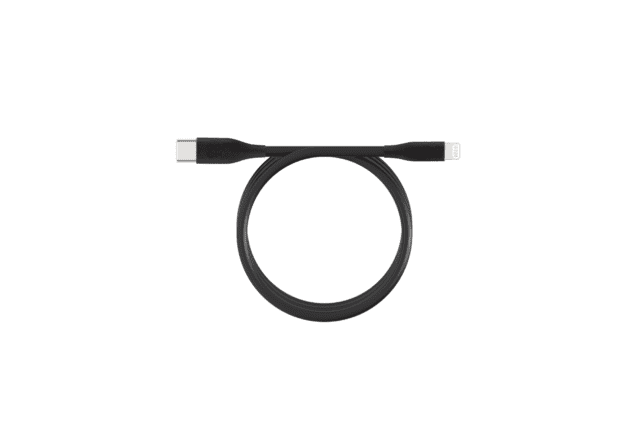
Charging cables are an essential part of your charging setup, working with a power adapter or charger to deliver reliable power to your device. A few charging cable examples include:
- [GoTo USB C to C Cable, 4 ft](https://www.t-mobile.com/accessory/goto-usb-c-to-c-cable-4-ft?sku=610214669452): Reliable USB-C fast charging cable compatible with most modern smartphones and USB-C devices. Ideal for everyday charging at home or the office.
- [Apple 240W USB-C Charge Cable, 2m](https://www.t-mobile.com/accessory/apple-240w-usb-c-charge-cable-2m?sku=195949775352): A high-capacity USB-C charging cable that supports fast charging for compatible iPhone, iPad, and Mac devices.
- [Apple USB-C to Lightning Cable (2m)](https://www.t-mobile.com/accessory/apple-usb-c-to-lightning-cable-2m?sku=195949333958): USB-C to Lightning charging cable optimized for iPhone users, supporting fast charging when paired with a compatible power adapter.
- [Samsung USB-C to USB-C Cable](https://www.t-mobile.com/accessory/samsung-usb-c-to-usb-c-cable-5-amp-1-8m-5-9ft?sku=TMOM78973): A USB-C charging cable that supports super fast 45W+ charging for compatible Samsung Galaxy phones and other USB-C devices.
## Power Adapters
These reliable adapters provide consistent and fast charging at home or office:
- [GoTo® USB-C 20W Wall Charger](https://www.t-mobile.com/accessory/goto-usb-c-20w-wall-charger?sku=610214671981): Compact 20W USB-C wall charger that supports fast charging for most smartphones - a dependable everyday option.
- [Apple 20W USB-C Power Adapter](https://www.t-mobile.com/accessory/apple-20w-usb-c-power-adapter?sku=195949537110): Apple-recommended 20W USB-C power adapter for reliable, everyday charging on compatible iPhone devices.
- [Samsung 45W Power Adapter](https://www.t-mobile.com/accessory/samsung-45w-power-adapter?sku=887276950990): High-output 45W wall charger built for super fast charging on supported Samsung Galaxy devices.
- [Belkin 67W Adapter (Retractable)](https://www.t-mobile.com/accessory/belkin-67w-adapter-with-retractable-cable?sku=745883931538): Powerful 67W USB-C adapter capable of charging phones, tablets, and select laptops from a single outlet.
- [Apple 40W Dynamic Power Adapter with 60W Max](https://www.t-mobile.com/accessory/apple-40w-dynamic-power-adapter-with-60w-max?sku=195950665963): 40W USB-C power adapter that balances fast charging performance with broad compatibility across Apple devices.
## Car and travel chargers
Charge your phone effortlessly during commutes or international trips with any of the following chargers:
- [GoTo Dual USB-A and USB-C 32W Car Charger](https://www.t-mobile.com/accessory/goto-dual-usb-a-and-usb-c-32w-car-charger?sku=610214671998): Fast charge two devices at once with both USB-A and USB-C ports - perfect for everyday commutes.
- [Belkin 75W Car Charger (Retractable)](https://www.t-mobile.com/accessory/belkin-75w-car-charger-with-retractable-cable?sku=745883931194): High-powered 75W car charger with a retractable cable design to reduce clutter and support fast charging on the go.
- [AXS ProCharge International Adapter](https://www.t-mobile.com/accessory/axs-international-adapter?sku=680813124621): Compact international travel adapter with multiple plug types for reliable charging in countries around the world.
## Portable chargers (Power Banks)
Portable power banks ensure you're always powered up on the move:
- [Belkin 10K 20W PD Power Bank](https://www.t-mobile.com/accessory/belkin-10k-20w-battery-with-usb-c-cable?sku=745883900725): Perfect for travel, supports fast-charging.
- [Mophie Powerstation Mini 5K with Stand](https://www.t-mobile.com/accessory/mophie-powerstation-mini-5k-w-stand?sku=840390362957): Ultra-compact with built-in stand, ideal for daily use.
## Wireless and MagSafe chargers
Wireless chargers eliminate cables for a simplified charging experience:
- [Apple MagSafe Charger (1–2 m)](https://www.t-mobile.com/accessory/apple-magsafe-charger-2m?sku=195950637014): Magnetic wireless charger that snaps securely onto compatible iPhones for simple, cable-free charging at home or on your desk.
- [Belkin 25W Magnetic 2-in-1 Stand](https://www.t-mobile.com/accessory/belkin-25w-magnetic-2-in-1-stand?sku=745883922062): 25W magnetic wireless charging stand that powers your phone and a second device at the same time — ideal for a streamlined nightstand or workspace setup.
## FAQs about phone chargers
__Can I use any USB-C charger with my phone?__
Yes - generally, you can use any USB-C charger compatible with your phone’s charging standards. It's recommended to choose certified chargers to ensure safety and optimal performance.
__Will wireless charging harm my battery?__
Wireless charging is safe for regular use, although it generates slightly more heat. Modern phones are designed to manage this effectively, minimizing potential battery wear.
__What does charger wattage mean?__
Simply put, charger wattage refers to the amount of power your charger can deliver to your device. Higher wattage typically means the potential for faster charging speeds, provided your device supports fast charging.
It’s also helpful to know that most modern smartphones only draw the amount of power they’re designed to handle. Even if you use a higher-wattage charger, your device will regulate power intake and won’t pull more wattage than it supports.
Always match your device specifications to choose the right wattage charger:
\-__20–30W:__ Optimal for smartphones, basic tablets, and wearables.
__-30–67W:__ Best for newer smartphones and tablets capable of fast charging.
__-Above 67W:__ Primarily intended for laptops or tablets supporting ultra-fast charging.
__Where to buy a phone charger?__
Reliable chargers can be found directly from carrier websites, like T-Mobile’s [extensive accessory page](https://www.t-mobile.com/accessories/category/chargers-and-adapters), ensuring compatibility and quality.
__Do I need a special cable for fast charging?__
Yes - fast charging typically requires cables specifically designed for high wattage. Standard cables may not support higher-speed charging, especially above 60W.
__Should I unplug my charger when not in use?__
Unplugging unused chargers can save energy and reduce unnecessary electricity consumption, though modern chargers have minimal power draw when not connected to a device.
__Choose the right charger for your lifestyle__
Choosing the right charger is essential to keep your devices ready and functional throughout your day. Whether you prefer the simplicity of wireless charging, the versatility of portable power banks, or the reliability of powerful wall chargers, knowing your options and understanding wattage will lead you to the perfect charging solution.
Discover reliable, fast-charging accessories tailored for your needs at [T-Mobile.com](https://www.t-mobile.com/accessories)
__You may also be interested in:__
[Why Is My Phone Not Charging? Top 7 Causes & Simple Fixes](https://www.t-mobile.com/dialed-in/tips-tricks/why-is-my-phone-not-charging)
[What Is MagSafe and How Does It Work?](https://www.t-mobile.com/dialed-in/accessories/what-is-magsafe)
[How Does Wireless Charging Work?](https://www.t-mobile.com/dialed-in/accessories/how-does-wireless-charging-work)
[Phone Doesn’t Charge or Turn On | T-Mobile Community](https://www.t-mobile.com/community/discussions/apple/phone-doesnt-charge-or-turn-on/48149)
Tags
- [Best](https://www.t-mobile.com/dialed-in/archive/best)
- [Device Reviews](https://www.t-mobile.com/dialed-in/archive/device-reviews)
- [Wireless Charging](https://www.t-mobile.com/dialed-in/archive/wireless-charging)
## Related Articles
NEW
[Read More](https://www.t-mobile.com/dialed-in/accessories/what-is-a-smart-ring)
[](https://www.t-mobile.com/dialed-in/accessories/what-is-a-smart-ring)
[Accessories](https://www.t-mobile.com/dialed-in/category/accessories)
## [What is a Smart Ring? How They Work, Features & More](https://www.t-mobile.com/dialed-in/accessories/what-is-a-smart-ring)
October 6, 2026
NEW
[Read More](https://www.t-mobile.com/dialed-in/accessories/phone-case-buying-guide)
[](https://www.t-mobile.com/dialed-in/accessories/phone-case-buying-guide)
[Accessories](https://www.t-mobile.com/dialed-in/category/accessories)
## [How to Choose the Right Phone Case: A Complete Phone Case Guide](https://www.t-mobile.com/dialed-in/accessories/phone-case-buying-guide)
July 28, 2026
NEW
[Read More](https://www.t-mobile.com/dialed-in/accessories/phone-accessory-compatibility)
[](https://www.t-mobile.com/dialed-in/accessories/phone-accessory-compatibility)
[Accessories](https://www.t-mobile.com/dialed-in/category/accessories)
## [Phone Accessory Compatibility: What Works With Your Device?](https://www.t-mobile.com/dialed-in/accessories/phone-accessory-compatibility)
October 8, 2026
### Get Connected with T-Mobile! Shop Now for your ideal phone.
[Shop now](https://www.t-mobile.com/cell-phones)
## Follow T-Mobile
- [](https://www.instagram.com/tmobile/)
- [](https://www.facebook.com/TMobile)
- [](https://twitter.com/TMobile)
- [](https://www.youtube.com/user/TMobile/custom)
[English](https://t-mobile.com)[Español](https://es.t-mobile.com)
Even more plans
Even more plans
- [Senior phone plans](https://www.t-mobile.com/cell-phone-plans/unlimited-55-senior-discount-plans)
- [International phone plans](https://www.t-mobile.com/cell-phone-plans/international-roaming-plans)
- [International passes](https://www.t-mobile.com/cell-phone-plans/international-roaming-plans/unlimited-calling-data-pass)
- [Home Internet plans](https://www.t-mobile.com/home-internet/plans)
- [Phone and internet bundles](https://www.t-mobile.com/cell-phone-plans/phone-home-internet-bundle)
- [Hotspot plans](https://www.t-mobile.com/cell-phone-plans/affordable-data-plans/hotspots)
- [Business phone plans](https://www.t-mobile.com/business/wireless-business-plans)
Shop devices by brand
Shop devices by brand
- [iPhones](https://www.t-mobile.com/cell-phones/brand/apple)
- [iPads](https://www.t-mobile.com/tablets/brand/apple)
- [Apple Watches](https://www.t-mobile.com/smart-watches/brand/apple)
- [Galaxy phones](https://www.t-mobile.com/cell-phones/brand/samsung)
- [Samsung tablets](https://www.t-mobile.com/tablets/brand/samsung)
- [Samsung watches](https://www.t-mobile.com/smart-watches/brand/samsung)
- [Motorola phones](https://www.t-mobile.com/cell-phones/brand/motorola)
- [Google Pixel phones](https://www.t-mobile.com/cell-phones/brand/google)
New featured cell phones
New featured cell phones
- [New Apple iPhone Duo](https://www.t-mobile.com/cell-phone/apple-iphone-duo)
- [New Apple iPhone 18 Pro](https://www.t-mobile.com/cell-phone/apple-iphone-18-pro)
- [New Apple iPhone 18 Pro Max](https://www.t-mobile.com/cell-phone/apple-iphone-18-pro-max)
- [New Samsung Galaxy Z Fold8](https://www.t-mobile.com/cell-phone/samsung-galaxy-z-fold8)
- [New Google Pixel 11](https://www.t-mobile.com/cell-phone/google-pixel-11)
New featured tablets, smartwatches & more
New featured tablets, smartwatches & more
- [Apple iPad Mini (A17 Pro)](https://www.t-mobile.com/tablet/apple-ipad-mini-a17-pro)
- [Apple iPad (A16)](https://www.t-mobile.com/tablet/apple-ipad-a16)
- [Apple Watch SE 3 40mm](https://www.t-mobile.com/smart-watch/apple-watch-se-3-40mm)
- [T-Mobile Revvl Tab 2](https://www.t-mobile.com/tablet/t-mobile-revvl-tab-2)
- [Samsung Galaxy Tab A11+ 5G](https://www.t-mobile.com/tablet/samsung-galaxy-tab-a11-plus-5g)
- [Samsung Galaxy Watch Ultra2](https://www.t-mobile.com/smart-watch/samsung-galaxy-watch-ultra2)
Helpful consumer guides
Helpful consumer guides
- [Dialed In](https://www.t-mobile.com/dialed-in)
- [Cell Phone BYOD Guide](https://www.t-mobile.com/dialed-in/devices/what-is-byod-bring-your-own-device)
- [The 6 Best Samsung Phones of 2026](https://www.t-mobile.com/dialed-in/devices/best-samsung-phones)
- [iPhone 18 Series: Specs, Price and Release Dates](https://www.t-mobile.com/dialed-in/devices/iphone-18-series-specs-features)
- [How Does Satellite Phone Service Work?](https://www.t-mobile.com/dialed-in/wireless/how-satellite-phone-service-works)
T-Mobile customer benefits
T-Mobile customer benefits
- [TV streaming deals](https://www.t-mobile.com/tv-streaming)
- [T-Mobile Tuesdays](https://www.t-mobile.com/offers/t-mobile-tuesdays)
- [In-flight wi-fi](https://www.t-mobile.com/benefits/travel/in-flight-wifi)
- [Refer-a-Friend](https://referral.t-mobile.com/)
- [Device protection plan](https://www.t-mobile.com/benefits/phone-protection-plans)
- [Protection 360® HomeTech](https://www.t-mobile.com/benefits/phone-protection-plans/p360-home-tech)
Switch to T-Mobile
Switch to T-Mobile
- [How to switch to T-Mobile](https://www.t-mobile.com/resources/how-to-join-us)
- [Try our 5G network](https://www.t-mobile.com/offers/free-trial)
- [Bring your own device](https://www.t-mobile.com/resources/bring-your-own-phone)
- [Switch to T-Mobile from Verizon or AT&T](https://www.t-mobile.com/switch/keep-phone-switch-from-verizon-or-att)
- [Family freedom deal](https://www.t-mobile.com/switch/pay-off-carrier-etf-phone-deal)
- [Cell phone trade-in](https://www.t-mobile.com/devices/phone-trade-in)
Additional support
Additional support
- [View return policy](https://www.t-mobile.com/responsibility/legal/return-policy)
- [Contact us](https://www.t-mobile.com/contact-us)
- [Billing](https://www.t-mobile.com/support/account/whats-impacting-your-bill)
- [Shipping & pickup options](https://www.t-mobile.com/customers/shipping-dates)
- [Free Internet for Students](https://www.t-mobile.com/brand/project-10-million)
- [Redeem a rebate](https://promotions.t-mobile.com/)
- [Domestic Violence Resources](https://www.t-mobile.com/support/account/keeping-customers-safe-connected)
About T-Mobile
About T-Mobile
- [Our Story](https://www.t-mobile.com/our-story)
- [T-Mobile careers](https://careers.t-mobile.com/)
- [Privacy Center](https://www.t-mobile.com/privacy-center)
- [Newsroom](https://www.t-mobile.com/news)
- [Corporate Responsibility](https://www.t-mobile.com/responsibility)
[](https://www.t-mobile.com)
- [About](https://www.t-mobile.com/our-story)
- [Investor relations](https://investor.t-mobile.com/default.aspx)
- [Press](https://www.t-mobile.com/news)
- [Careers](https://careers.t-mobile.com)
- [Deutsche Telekom](https://www.telekom.com/en)
- [Puerto Rico](https://www.t-mobilepr.com/)
- [Privacy Notice](https://www.t-mobile.com/privacy-center/privacy-notices/t-mobile-privacy-notice)
- [Trust Center](https://security.t-mobile.com/)
- [Privacy Center](https://www.t-mobile.com/privacy-center)
- [Consumer information](https://www.t-mobile.com/responsibility/consumer-info)
- [Public safety/911](https://www.t-mobile.com/responsibility/consumer-info/safety/9-1-1)
- [Terms & conditions](https://www.t-mobile.com/responsibility/legal/terms-and-conditions)
- [Terms of use](https://www.t-mobile.com/responsibility/consumer-info/policies/terms-of-use)
- [Accessibility](https://www.t-mobile.com/responsibility/consumer-info/accessibility-policy)
- [Open Internet](https://www.t-mobile.com/responsibility/consumer-info/policies/internet-service)
- [Do Not Sell or Share My Personal Information](javascript:void%280%29)
- [Licenses & Patents](https://www.t-mobile.com/responsibility/legal/licenses-and-patents)
- [Consumer Health Data Privacy Notice](https://www.t-mobile.com/privacy-center/privacy-notices/t-mobile-privacy-notice.html#health-data-privacy-notice)
- [T-Mobile, the T logo, Magenta and the magenta color are registered trademarks of Deutsche Telekom AG.](https://www.t-mobile.com)
- [](https://www.instagram.com/tmobile/)
- [](https://www.facebook.com/TMobile)
- [](https://twitter.com/TMobile)
- [](https://www.youtube.com/user/TMobile/custom)
© 2026 T‑Mobile USA, Inc.
Top